

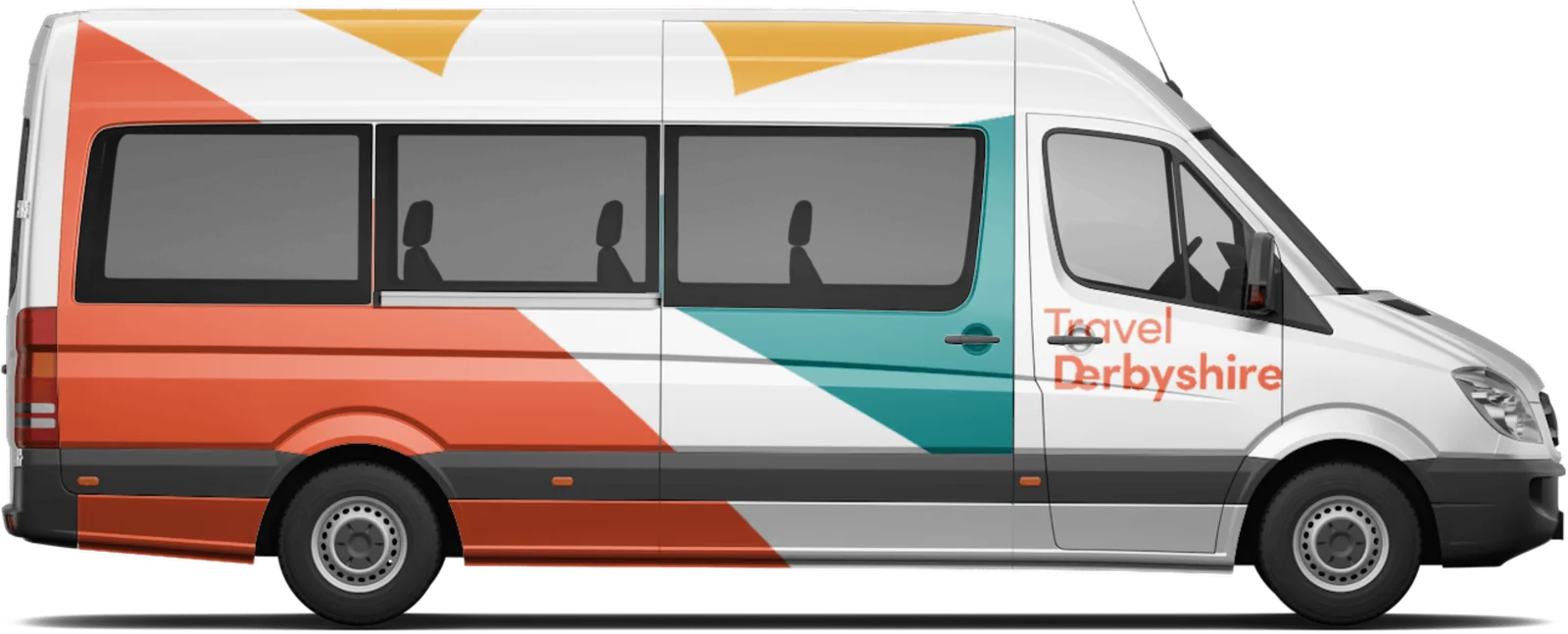




Community transport is a vital lifeline for people who cannot easily use ordinary public or private transport, including older people, disabled people, and those in rural areas with little or no bus service. It delivers clear social, economic, and environmental value, yet it stays underfunded and often overlooked. Raising its profile has never mattered more.
With the Bus Services Act 2025 now law, local authorities must identify the services their communities cannot do without. That gives community transport operators a rare opening to be recognised, funded, and written into local plans, provided the sector makes its case loudly enough.
Key Takeaways
- Community transport supports millions of journeys every year across the UK, keeping older, disabled, and rural residents connected to healthcare, work, and social life.
- Transport problems are linked to missed NHS appointments, so stronger community transport is also a health and public spending issue, not only a mobility one.
- The Bus Services Act 2025 requires councils to list the services their communities depend on, and much of what community transport does fits the definition of socially necessary.
- The sector is held back by short-term funding, low recognition, regulatory complexity, and volunteer shortages.
- Raising its profile depends on sustainable funding, better public awareness, and operators getting into local transport planning early.
What counts as community transport?
Community transport covers the local, accessible services that step in where ordinary buses, trains, and taxis fall short. According to the Community Transport Association, it uses everything from minibuses to volunteer cars, and every year it helps millions of people stay independent and reach the places that matter to them.
Typical services include voluntary car schemes, community bus routes, dial-a-ride, school and hospital transport, wheels to work, and group minibus hire. Most operate under Section 19 or Section 22 permits and often provide the only realistic way to travel for people who are isolated by geography, age, or disability.
For a fuller explanation of how these services work and who they serve, see our guide to what community transport is. This article focuses on a different question: why the sector deserves far greater recognition than it currently receives.
Why community transport deserves a higher profile
Many of us take everyday travel for granted, especially if we can drive and own a vehicle. Take that away and the picture changes quickly. For a large part of society, community transport is the difference between an active, connected life and a permanent form of lockdown. The benefits reach well beyond the passengers themselves.
Tackling loneliness and social isolation
Isolation is a serious health risk, not just a sad state of affairs. The NHS reports, drawing on Age UK figures, that more than two million people in England aged over 75 live alone, and more than a million older people can go over a month without speaking to a friend, neighbour, or family member.
Community transport directly interrupts that spiral. When the Community Transport Association ran its Tackling Loneliness pilots, 61 per cent of rural respondents said reaching a community transport service had a positive effect on their feelings of loneliness and isolation. A lift to a lunch club or a friendly driver is often the only regular human contact someone has.
Protecting access to healthcare
Missed appointments are expensive and dangerous. Research from Anglia Ruskin University notes that missed GP appointments alone are estimated to cost the NHS more than £200 million a year, with transport a recurring barrier for older and lower-income patients. Separate analysis from the University of Birmingham puts the share of outpatient appointments missed for transport reasons at around one in ten.
Every one of those missed slots means delayed treatment, worse outcomes, and wasted clinical time. Community transport and voluntary car schemes fill gaps that formal patient transport cannot always reach, which is exactly why the sector belongs in conversations about the neighbourhood health agenda, not just local buses.
Reaching rural and underserved areas
Rural residents feel the gaps first. The Centre for Ageing Better notes that around one in three people aged 65 and over never use public transport, a figure that rises where services are thin. Bus provision outside London has been in long-term decline, as the Department for Transport's annual bus statistics confirm.
Where commercial routes are cut, community transport is frequently what remains. Councils in the most rural counties often say they could not meet their statutory duties without it. That makes the case for protecting and expanding these services, a theme we explore in our look at the damage caused by closing UK bus routes.
Supporting the local economy
Community transport also has economic value. It connects people to employment, training, and local high streets they would otherwise struggle to reach, and it does so with a flexibility that fixed timetables cannot match. For the individual, it is usually far cheaper than running a car once insurance, fuel, and parking are counted.
At a wider level, keeping people mobile keeps them spending, volunteering, and participating. Reduced car dependency also eases pressure on roads, parking, and, over time, health budgets, since the cost of a missed journey often lands somewhere else in the public purse entirely.
Cutting congestion and emissions
Fewer individual car journeys mean less congestion, quicker trips, and fewer collisions, which matters most in busy areas. Community transport also tends to use smaller, shared vehicles, and a growing number of operators are exploring electric options where the funding and charging infrastructure allow. The environmental case is real, if still constrained by the cost of accessible zero emission minibuses.
Why now? The Bus Services Act 2025 changes the picture
Timing matters. The Bus Services Act 2025 received Royal Assent on 27 October 2025, and it hands local transport authorities new powers and duties. One of the most significant is a requirement to identify and publish a list of "socially necessary" local services, and to follow a much more robust process before any of them can be cut or changed.
The Community Transport Association's own reading of the changes is blunt: much of what community transport delivers should meet the definition of social necessity, but the real question is whether it will make the published lists. Getting on that list, in each local area, is now one of the clearest ways to secure recognition and protection.
There is more in the sector's favour. New Local Transport Plan guidance takes a vision-led approach built around what people actually need, which fits community transport far better than old traffic-forecast models. Government guidance on demand responsive transport also acknowledges that flexible, dial-a-ride style services can be more accessible to older and disabled people than conventional buses.
Funding routes are opening too. The government's vision for buses confirms that the Bus Service Operators Grant is paid to community bus operators as well as commercial ones, and the 2025 Act gives authorities new powers to make their own grants to local operators. The opportunity is real, but it rewards operators who show up early and speak up clearly.
What is holding the sector back
Despite its value, community transport is often overshadowed by larger, mainstream services. The Community Transport Association's State of the Sector research paints a picture of a resilient but stretched sector, and several familiar barriers keep recurring.
- Short-term funding: operators juggle grants, contracts, and fares with little long-term certainty, which makes planning and investment difficult.
- Limited recognition: policymakers and the public frequently overlook the sector, so it becomes an afterthought in transport strategy.
- Regulatory complexity: Section 19 and Section 22 permits, each valid for five years, add administrative weight for small, volunteer-led organisations.
- Volunteer shortages: recruitment is repeatedly named as the sector's top priority, and an ageing volunteer base adds pressure.
- Cost of decarbonisation: accessible electric minibuses are expensive, and the second-hand market many operators rely on barely exists yet.
These hurdles stop community transport from reaching its full potential. We look at them in more depth in our piece on the challenges facing community transport, and at how good software and coordination can ease the operational load.
How to raise the profile of community transport
Raising the profile of community transport is a collective responsibility, and it works on three fronts: funding, awareness, and policy. None of these alone is enough, but together they can move the sector from afterthought to essential infrastructure.
Secure sustainable funding
Greater and steadier investment, from both government and private sources, transforms what operators can do. Diversifying income across grants, contracts, public and private partnerships, and community fundraising reduces the reliance on any single stream. It is worth tracking the opportunities carefully, as we do in our guide to community transport funding.
Build public awareness and demand
In some areas, community transport is wrongly seen as a service only for those who cannot afford anything else, which creates a stigma that suppresses use. Thoughtful branding and communication can reframe it as a smart, sustainable choice for everyone. Campaigns, social media, and partnerships with local businesses and health services all help, alongside practical support for volunteer drivers.
Get into local transport planning
The most powerful lever right now is policy. Operators should ask to be involved when councils draw up Local Transport Plans and their lists of socially necessary services, ideally at the visioning stage rather than the final consultation. Simpler, clearer regulation would help too, easing operation while keeping safety and quality standards firmly in place.
Frequently asked questions
What is community transport and who is it for?
Community transport is a range of local, accessible services, such as dial-a-ride, voluntary car schemes, and community buses, designed for people who cannot easily use ordinary public or private transport. It mainly supports older people, disabled people, and those in rural or poorly served areas.
Why is community transport important in the UK?
It keeps vulnerable and isolated people connected to healthcare, work, shops, and social life. That reduces loneliness, cuts missed NHS appointments, supports local economies, and eases pressure on roads, making it valuable to individuals and public services alike.
How is community transport funded?
Funding usually combines local authority contracts, grants, passenger fares, and fundraising. Community bus operators can also receive the Bus Service Operators Grant, and the Bus Services Act 2025 gives local authorities new powers to make their own grants to local operators.
What is the difference between community transport and public transport?
Public transport runs fixed, commercial routes open to everyone. Community transport is not-for-profit, often volunteer-led, and tailored to individual needs, offering door-to-door help, flexible booking, and accessible vehicles where standard services are unavailable or unsuitable.
Does the Bus Services Act 2025 affect community transport?
Yes. The Act requires councils to identify and protect "socially necessary" local services. Many community transport services should meet that definition, so operators have a strong reason to engage with their local authority and make sure they are represented on those lists.
How can I support or raise awareness of community transport?
You can use and recommend local services, volunteer as a driver or coordinator, share operators' campaigns, and ask local representatives to protect and fund community transport. Operators themselves can raise their profile by engaging early with local transport planning.
The bottom line
Community transport is not a nice-to-have. It is a necessity for millions of people, and recognising its importance is a shared responsibility. With the Bus Services Act 2025 reshaping how local services are protected, this is the moment for the sector to step forward, be counted, and claim the recognition it has long deserved. With the right support, these services can build more equitable and connected communities for everyone.