



A visit to the dentist
Kim drove to the dentist, hoping for some much-needed relief. His wisdom tooth was impacted and growing into his jaw. It was causing unbearable pain.
After months of suffering, he was finally scheduled for surgery. Under general anaesthetic, the tooth was removed, leaving behind a deep wound.
But something was not right. Months passed, and the wound refused to heal. The pain lingered.
Concerned, Kim returned to his dentist, who took a scan to investigate further. What followed would change his life forever.
Kim received a call and was quickly scheduled for a biopsy. The next two weeks were agonising, a waiting game filled with worry but also reassurances from family and friends that everything would be fine.
Then, the results came in.
Kim had an aggressive, slow-growing cancer, an adenoid cystic carcinoma, lodged deep within his sinuses. It was one of the rarest and most difficult cancers to treat.
The doctors were blunt: he had, at best, one year to live.
Even the medical team struggled to agree on a way forward. The location of the tumour made surgery incredibly risky, and they had seen very few cases like his. Time was running out.
After a tense week of deliberations, a team of specialists devised a plan. It would require immense skill, precision and luck. It was his only chance.
14 hours of surgery
Kim was taken into surgery for what would be a gruelling fourteen-hour operation. The longer it lasted, the better the chance of removing most of the cancer, but the risks were enormous. His family could do nothing but wait and hope.
The operation was a complete success. Kim had made it through and remained on the ward to recover. During his hospital stay he became known on the ward as Superman. Only ten days after that harrowing operation he was discharged, just in time for Christmas.
But his fight was not over. In February 2015 the next phase of treatment began: six weeks of radiotherapy, five days a week, directly targeting the cancer in his sinuses.
It was brutal. The treatment drained him, leaving him feeling worse than ever.
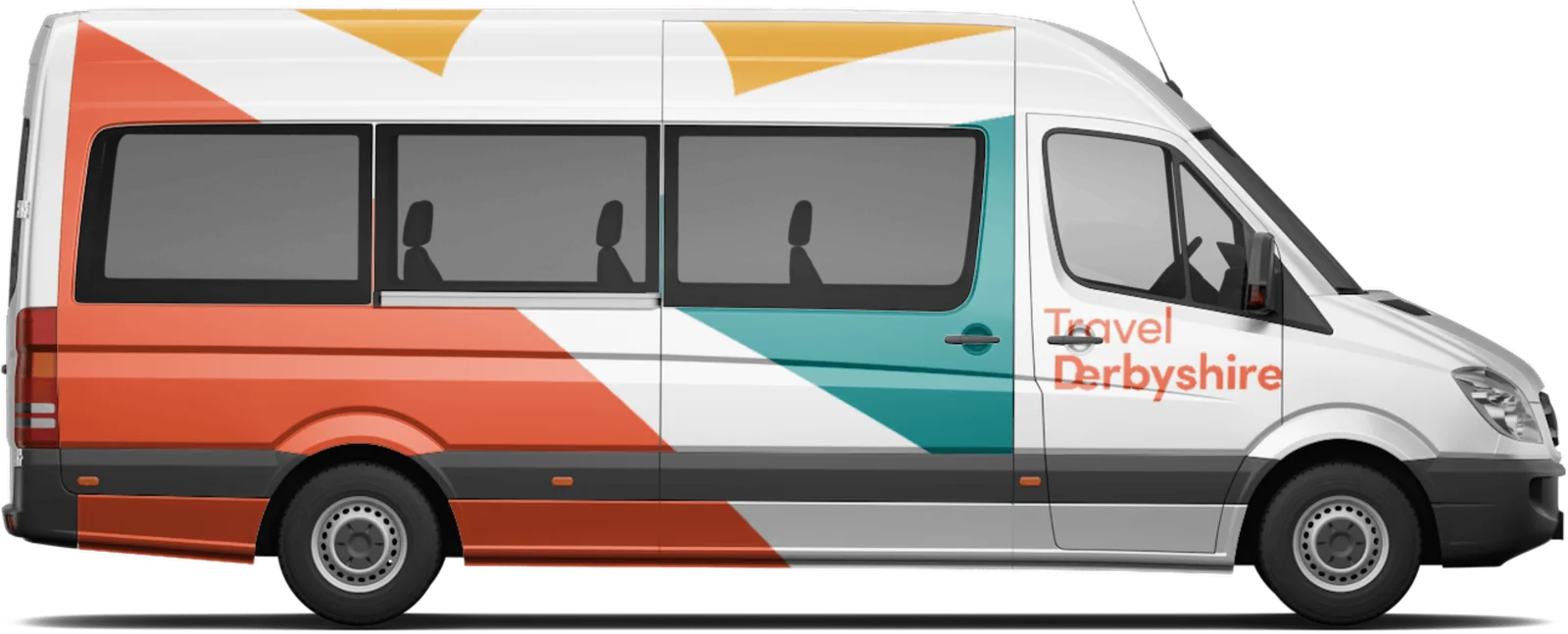
Despite this, every day, Kim got back on the hospital community transport bus to continue his fight.
It came as such a shock
We always assume these things happen to someone else. That cancer is something distant, something we might have to face later in life.
Kim Kemp is my Dad, and I will never forget the day he called me.
Then he told me the worst news imaginable: that he had this deadliest form of cancer, and the doctors did not know what to do next. It felt like a nightmare, except I was wide awake.
The role of community transport
It was during my Dad’s radiotherapy treatments that I first learned about community transport. Before then, I had not even known services like this existed.
But as I watched my Dad rely on community transport for his appointments, I quickly realised just how vital these services are.
Community transport is not simply about getting people from A to B. It is about helping people reach the places they desperately need to be, often during the most frightening, uncertain and vulnerable moments of their lives.
It’s more than a journey.
And yet, despite the importance of these services, they are so often overlooked and underfunded.
I remember speaking to the volunteer driver who regularly took my Dad to his appointments. He explained that the entire service was run by volunteers and operated on extremely limited funding. Some passengers had no other way of reaching their medical appointments.
Almost every available resource, funding, donations and community support went towards simply keeping the vehicles on the road: fuel, maintenance, insurance and repairs. Even then, there was uncertainty about whether the service would still exist in a few months as funding pressures continued to grow.
That troubled me deeply, especially knowing that my Dad’s quality of life, and ultimately the time he had left, depended upon being able to access his radiotherapy sessions, follow-up appointments and ongoing care.
It was my first real understanding of how community transport becomes a lifeline for people facing some of the hardest periods of their lives.
Thanks to the dedication of surgeons, NHS staff, volunteers, community transport services and close family around him, Dad was able to access the care he needed and live for almost twelve more years, before passing away peacefully in May 2026.
Road XS today
Today, Road XS supports community transport providers across the UK and has evolved to power modern demand-responsive transport services, as well as organisations operating transport fleets at both local and national scale.
Since launching, we have heard countless stories like my Dad’s: people who depend on these services to reach cancer treatments, medical appointments, dialysis sessions, rehabilitation, or simply social activities that help prevent loneliness and isolation.
We have seen first-hand how vital accessible transport can be in helping people remain connected, independent and safe.
We also developed one of the first passenger optimisation platforms designed specifically for community transport, helping operators make better use of existing vehicles and volunteer resources, reducing costs while improving accessibility and service availability.
This is what keeps me motivated. It is what keeps my team motivated, and I hope it continues to motivate governments, charities, operators and communities too.
The truth is, you never know when you or someone you love might need community transport. Life is unpredictable. One day, that journey may matter more than you could ever imagine.
For my Dad, community transport helped him continue accessing the care and support he needed for almost twelve more years of his life. He turned 72 in February 2026 and still used community transport when needed earlier in the year, remaining a registered passenger on Road XS through the Bridges Community Car Scheme serving Monmouthshire and Blaenau Gwent.
Road XS is my way of saying thank you to the NHS, the surgeons and medical staff, the volunteers, the drivers, the charities and the community transport organisations working tirelessly every single day to support people through some of life’s most difficult moments.
Together, we can continue making a genuine difference to people’s lives, one journey at a time.