

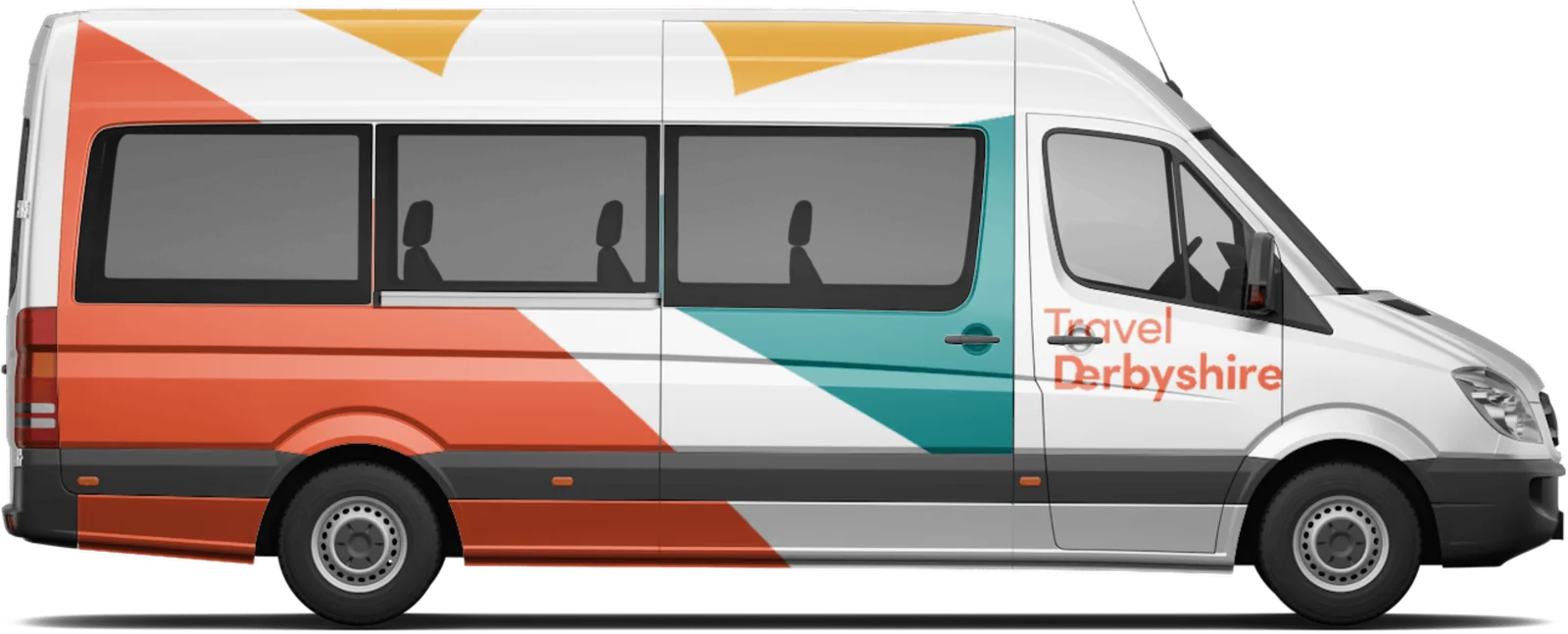



Sustainable logistics is usually talked about in terms of freight, warehouses and supply chains. The same thinking applies just as powerfully to the movement of people. Every community minibus, volunteer car scheme and dial a ride service is a logistics operation in its own right, matching vehicles to demand, planning efficient routes and removing wasted miles.
At Road XS, we believe green logistics principles belong at the heart of passenger and community transport, where they cut emissions, lower running costs and keep essential services running for the people who rely on them.
This article looks at how sustainable logistics, green transport and eco friendly transport solutions come together in the community transport sector, what the latest UK rules now expect, and how the right technology helps operators move people with a far lighter environmental footprint.
Key Points
- Domestic transport is the UK's largest single source of greenhouse gas emissions, responsible for around 30% of the national total in 2024.
- Sustainable logistics for passenger transport means matching vehicles to real demand, optimising routes and removing empty running, not simply switching to electric vehicles.
- Demand responsive transport reduces the number of vehicles on the road and lowers emissions for every passenger journey.
- The Zero Emission Vehicle mandate and the Bus Services Act 2025 are accelerating the shift to zero emission fleets across the UK.
- The strongest green transport initiatives deliver cleaner air, lower costs and stronger community connectivity at the same time.
What is sustainable logistics, and why does it apply to moving people?
Sustainable logistics is the practice of planning and running the movement of goods or people in a way that reduces environmental impact while maintaining reliability and value. In freight, that means efficient loads, smarter routing and cleaner vehicles. In passenger transport, the same discipline applies. The aim is to move everyone who needs a journey using the fewest vehicles, the fewest miles and the least fuel possible.
Community transport operators already think this way out of necessity. Budgets are tight, volunteers are precious, and every mile costs money. Treating a fleet of minibuses or volunteer cars as a logistics network, rather than a set of fixed timetables, is often the single biggest lever for cutting both emissions and cost. That is exactly where green logistics and passenger transport meet, and it is the principle that runs through everything that follows.
Why transport is the UK's biggest climate challenge
Transport is the hardest part of the UK economy to decarbonise. Domestic transport has been the country's largest emitting sector since 2016, and in 2024 it accounted for around 30% of total UK greenhouse gas emissions, according to Department for Energy Security and Net Zero figures.
While other sectors have cut their emissions sharply since 1990, domestic transport has fallen by only around 15% over the same period, held back by steady growth in road traffic.
The overwhelming majority of those emissions come from road vehicles, which is precisely where community and passenger transport operates. That makes the sector both part of the challenge and a powerful part of the solution.
Every shared journey, every avoided empty run and every switch to a cleaner vehicle contributes to national green transport goals while improving local services. Understanding the wider picture also helps explain why the cost and impact of transport problems weighs so heavily on operators and passengers alike.

Route optimisation: the foundation of green logistics
The most immediate way to make passenger transport greener is also the least glamorous: better routing. Route optimisation sits at the core of green logistics because fuel burned is tied directly to distance travelled and time spent idling in traffic.
Road XS uses real time data and intelligent scheduling to build efficient routes, group compatible journeys and avoid congested roads. For operators, that means fewer miles, lower fuel bills and a measurable reduction in emissions per passenger.
It also means drivers and volunteers spend less time on the road and more time delivering the journeys that matter. These are some of the most effective ways to reduce carbon emissions in day to day operations, and small efficiencies repeated across hundreds of trips add up to a significant saving over a year.
Demand responsive transport: fewer empty miles, lower emissions
Fixed timetables waste fuel. A minibus running a set route at a set time will often travel half empty, or completely empty, regardless of whether anyone actually needs it. Demand responsive transport turns that model on its head.
With demand responsive transport, vehicles run when and where people genuinely need them. Passengers request journeys, compatible trips are combined, and if there is no demand, the vehicle simply does not run. This removes unnecessary travel, reduces the number of vehicles on the road and cuts emissions for every passenger mile. It is one of the clearest examples of sustainable logistics applied to people, and you can see it working across a range of real world transport applications. The outcome is better value for operators and passengers at the same time.
Electric and low emission fleets: what the rules now require
Cleaner vehicles are the most visible part of green transport, and UK policy is now pushing the whole sector firmly in that direction. Under the Zero Emission Vehicle mandate, 33% of new cars and 24% of new vans sold in 2026 must be fully zero emission, rising to 80% and 70% by 2030 and to 100% by 2035.
For buses and community transport, the Bus Services Act 2025, which received Royal Assent in October 2025, sets the framework for prohibiting the registration of new non zero emission buses from a date no earlier than 1 January 2030. It also gives local authorities stronger powers over their networks and greater protection for socially necessary routes, many of which are exactly the services community transport exists to support.
Transitioning a fleet takes careful planning. Road XS is built to support operators through that change, providing the scheduling, routing and management tools to run mixed fleets of diesel, low emission and electric vehicles, and to plan charging and range around real journeys rather than guesswork. That is green transportation solutions in practice, grounded in the daily reality of running a service.
Eco friendly transport solutions beyond the vehicle
Green transport is not only about what powers a vehicle. Some of the most effective eco friendly transport solutions come from how a service is run day to day, and they are available to every operator regardless of what is parked in the depot.
Regular vehicle maintenance keeps engines efficient and emissions low. Driver and volunteer training in smooth, fuel efficient driving reduces both fuel use and wear. Intelligent scheduling cuts idling and dead mileage. Digital record keeping removes paper and the unnecessary trips that go with it. Individually these are small changes. Together they build a culture of sustainability that runs through the whole operation, and Road XS gives operators the tools to embed them, including the kind of practical seasonal driving guidance that keeps journeys efficient all year round.
Green transport initiatives that strengthen communities
The best green transport initiatives do more than cut carbon. They also tackle isolation, widen access and strengthen the places they serve.
When reliable community transport is available, fewer people depend on private cars, traffic eases and local air quality improves. Older and disabled residents keep their independence and their connection to appointments, shops and social life, which is central to community transport for the elderly. In this sense, green transport solutions and social value are two sides of the same coin. A greener network is almost always a more connected and more inclusive one, and that is a large part of the hidden role transport plays in community life.
How Road XS supports sustainable logistics for passenger transport
Road XS brings sustainable logistics thinking to community and passenger transport. The platform optimises routes, enables demand responsive transport, supports the move to electric and low emission fleets, and replaces paper based admin with efficient digital workflows. The result is a greener operation that also saves time and money, while connecting communities more effectively.
For operators, local authorities and charities working towards net zero, that combination matters. Sustainable transport is no longer a nice to have. It is becoming a requirement, and the tools that deliver green transport solutions also deliver more reliable, more affordable services for the communities that depend on them.
Frequently asked questions
What is sustainable logistics in passenger transport?
Sustainable logistics in passenger transport is the practice of moving people with the fewest vehicles, miles and emissions possible while keeping services reliable. It applies the same efficiency and routing principles used in freight to community minibuses, dial a ride services and volunteer car schemes.
How does demand responsive transport reduce emissions?
Demand responsive transport runs vehicles only when passengers request journeys, and combines compatible trips into shared rides. This removes empty running, reduces the total number of vehicles on the road and lowers emissions for every passenger mile compared with fixed timetables.
What is the ZEV mandate target for 2026?
In 2026 the Zero Emission Vehicle mandate requires 33% of a manufacturer's new car sales and 24% of new van sales to be fully zero emission. These targets rise each year, reaching 80% for cars and 70% for vans by 2030, and 100% for both by 2035.
Does the Bus Services Act 2025 require zero emission buses?
The Bus Services Act 2025 creates the legal framework to stop the registration of new non zero emission buses from a date to be confirmed by the government, which cannot be earlier than 1 January 2030. It also strengthens local authority powers and protects socially necessary routes.
How can community transport operators make their services greener?
Operators can cut emissions by optimising routes, adopting demand responsive transport, maintaining vehicles well, training drivers in fuel efficient techniques and planning a gradual move to low emission and electric vehicles. Software such as Road XS brings these eco friendly transport solutions together in one system.