




Community transport is the part of the transport network most people never notice until they need it. It gets older and disabled people to hospital, to the shops and to the lunch club when a bus is not an option. For many passengers it is the only realistic way out of the house.
This guide explains what community transport is, who it helps and how it is run, regulated and funded in the UK. It is written for passengers and families looking for a service, for the drivers and volunteers who deliver it, and for the councils, NHS teams and trustees who plan and pay for it.
Key Takeaways
- Community transport is accessible, not for profit travel for people who cannot easily use buses, trains or a car. It includes Dial-a-Ride, community car schemes, community buses and demand responsive transport.
- The need is real. In England, disabled adults made 21% fewer trips than non-disabled adults in 2025, and 32% lived in a household without a car (DfT National Travel Survey 2025).
- Most services run under Section 19 or Section 22 permits from the Transport Act 1985, which let not for profit groups charge fares without a full operator licence (DfT guidance).
- The sector runs on volunteers and grants. In England, 77% of operators receive grant income and 67% say they do not have enough volunteers to meet demand (Community Transport Association, 2024).
- To find community transport near you, start with the Community Transport Association map or your local council, then register with the operator before you book.
What is community transport?

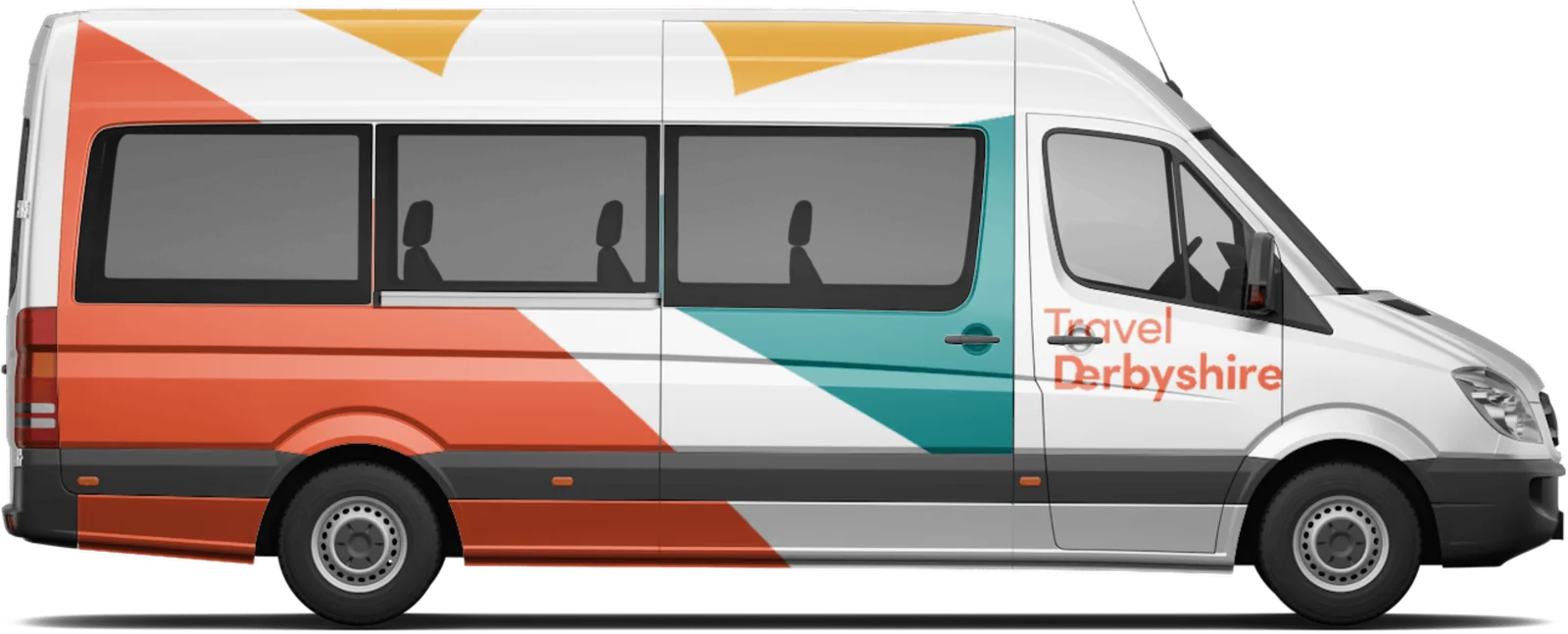
Community transport is safe, accessible and flexible travel run for a social purpose rather than for profit. It serves people who cannot easily use mainstream buses or trains, or who have no car of their own. Most journeys are booked in advance, and many are door to door, with help getting in and out of the vehicle.
The Community Transport Association, the national charity for the sector, says services are community led and respond to local needs the commercial network does not meet. It notes that most are demand responsive, while a growing number run scheduled routes where normal buses have gone. For many isolated people, it is the only transport they have.
Community transport services are usually run by charities, community groups and social enterprises. Paid coordinators and volunteer drivers often work side by side. Any surplus goes back into the service rather than to shareholders, which keeps fares low and the focus on the passenger. That is what separates community transport from a taxi firm or commercial coach operator.
Who is community transport for?

Community transport is mainly for older people, disabled people, people with long term health conditions and anyone living where public transport is thin or absent. Some services also carry young people, jobseekers and families without a car. Each operator sets its own rules, so the best first step is always to ask your local scheme directly.
The size of that group is growing. The Family Resources Survey 2024 to 2025 found 16.7 million disabled people in the UK, one in four of the population. Among disabled people of pension age, 68% reported a mobility impairment, the most common type in that age group.
Travel data shows the gap clearly. The National Travel Survey 2025 found disabled adults in England made 713 trips each against 901 for non-disabled adults. The gap widened to 31% for those aged 60 and over. Only 59% of disabled adults held a full driving licence, against 78% of non-disabled adults.
Car access is the other half of the picture. The same survey found 32% of disabled adults lived in a household without a car, double the 16% for non-disabled adults. Disabled adults in homes without a car made just 507 trips a year. Our guide to who is eligible for community transport covers the typical criteria in more detail.
What types of community transport services are there?

There are six main types of community transport service in the UK. Many operators run more than one, and the right fit depends on who is travelling, how far and how often. The table below sets out how each works and who it suits best, so passengers and planners can compare them at a glance.
| Service | How it works | Best for |
|---|---|---|
| Dial-a-Ride | Book ahead by phone or online. An accessible minibus picks you up from home. | Shopping, social trips and people who use a wheelchair |
| Community car scheme | Vetted volunteers drive passengers in their own cars and claim mileage. | One to one trips, hospital and GP appointments, rural areas |
| Group travel and minibus hire | Clubs, day centres and charities hire an accessible minibus, with or without a driver. | Lunch clubs, day trips and regular group outings |
| Community bus | A registered local bus route run under a Section 22 permit. Anyone can travel. | Villages and estates with no commercial bus |
| Demand responsive transport (DRT) | Passengers book a shared ride through an app or phone line. Routes change with each booking. | Areas where fixed buses do not pay their way |
| Patient and school transport | Contracted journeys to hospital, dialysis, school or college, often with trained passenger assistants. | NHS outpatients and pupils with special educational needs |
Some areas add specialist schemes. Shopmobility lends wheelchairs and scooters in town centres. Wheels to work schemes help people reach jobs and training where buses do not run. Our pages on Dial-a-Ride, community car schemes and demand responsive transport explain how each service is organised behind the scenes.
How does community transport help disabled people?

Community transport is one of the main disability transport services in the UK. It is accessible transport for disabled people in the community, with trained staff and door to door help that mainstream buses cannot always give. For someone who cannot walk to a bus stop, stand at a shelter or manage steps, disabled transportation of this kind decides whether a trip happens at all.
Accessible transport services in the UK usually include:
- Wheelchair accessible vehicles with ramps or tail lifts and proper wheelchair restraints
- Door to door pickups, so passengers do not have to reach a stop
- Help with boarding, seat belts, shopping bags and walking frames
- Room for a carer or escort to travel with the passenger
- Trained passenger assistants on journeys for children and adults with complex needs
The law backs this up. DfT permit guidance requires wheelchairs to be secured safely, ramps and lifts to be checked and staff to be trained to use them. Lifts and ramps must be thoroughly examined at least every six months. Larger community buses on local routes may also need to meet national bus accessibility rules.
Transport for elderly and disabled people often overlaps, because mobility problems become more common with age. Our guide to transport and elderly people covers the wider options for getting around later in life. If you are disabled, you may also qualify for a disabled person's bus pass from your council.
How do I find community transport near me?

The quickest way to find community transport near you is the Community Transport Association map, which lists member operators across the UK. You can also find your local council and search its website for community transport, or ask your GP surgery, social prescriber or a local charity.
Most operators ask new passengers to register first. This is a short conversation about where you live, how you get about and any help you need. It is not a test. It simply lets the operator send the right vehicle and driver. Once registered, you can usually book by phone, and some services now take online bookings.
Have these details ready when you book:
- Your pickup address and where you are going
- The time you need to arrive, such as an appointment time
- Whether you travel in a wheelchair or use a walking aid
- Whether a carer or escort will travel with you
- How you will get home, and roughly when
Book as early as you can. Demand often outstrips supply, especially for hospital trips and at busy times of year.
How much does community transport cost?
Community transport is rarely free, but it is usually cheaper than a taxi. Most services charge a fare, a mileage rate or a small yearly membership fee. Under a Section 19 permit, fares can cover running costs, including driver pay and vehicle wear, but must not produce a regular profit. Prices vary widely from one area to another.
Some registered community bus routes accept the older or disabled person's bus pass, while Dial-a-Ride and car schemes usually charge a set fare. Some councils and NHS bodies pay for certain journeys. Always ask the operator what applies to you. Our article is community transport free? explains the common pricing models.
How is community transport regulated?

Most community transport in the UK runs under permits issued under Section 19 or Section 22 of the Transport Act 1985. These let not for profit organisations charge for transport without holding a full public service vehicle operator licence. Operators must still keep vehicles roadworthy, insured and properly maintained, and use correctly licensed drivers.
| Section 19 permit | Section 22 permit | |
|---|---|---|
| Who can travel | Members or people the group exists to help. Not the general public. | Anyone. It is a registered local bus service. |
| Typical use | Dial-a-Ride, group travel, school and day centre transport | Community bus routes |
| Vehicle size | Standard permit up to 16 passengers. Large bus permit for 17 or more. | 9 or more passengers |
| Issued by | DVSA or a designated body such as a local council | DVSA only |
Source: DfT Section 19 and 22 permits guidance. The Community Transport Association reports more than 34,000 Section 19 permits and 821 Section 22 permits were issued in England between 2018 and 2023.
Driver rules matter just as much. All permit drivers must be at least 21. Drivers who passed their car test from 1 January 1997 can drive a minibus under a permit only in set conditions. These include holding a car licence for two years, being unpaid apart from expenses and keeping to a vehicle weight limit.
Training sets the standard for safe journeys. DfT recommends regular assessment such as MiDAS, the minibus driver scheme run by the Community Transport Association. Its partner scheme, PATS, trains passenger assistants to secure wheelchairs and support passengers. Operators should also carry out DBS checks where drivers work with vulnerable adults or children.
Who runs and funds community transport?

Community transport is run by charities, community groups, social enterprises and some councils. Funding usually blends grants, fares, contracts and donations. The Community Transport Association's 2024 Mapping England research found 77% of operators receive grant income, and for most of them grants sit among their three biggest sources of money.
Health is a large part of the workload. The same research found 68% of operators make journeys to health destinations and 60% travel to social care. Yet only 29% are in contact with health services, and just 11% receive health authority funding. That gap is one of the clearest opportunities for NHS transport teams and integrated care boards.
Local government also has a new reason to look closely. The Bus Services Act 2025 asks councils to identify socially necessary local services and protect them from sudden cuts. Community transport often fills exactly those gaps. Our guide to community transport grant funding covers where operators can look for money.
What challenges does community transport face?

Demand is rising while the volunteer base is under strain. The Community Transport Association estimates nearly 16,000 volunteers support its members in England. Even so, 37% of operators saw volunteer recruitment fall in the past year, and 67% said they did not have enough volunteers to meet demand. Recruitment was their top priority.
The main pressures, according to the CTA's 2024 research, are:
- Minibus licences. The number of volunteer drivers with the older D1 minibus entitlement is expected to fall by a fifth within five years.
- Short term grants. Reapplying for time limited funding takes up scarce staff time.
- Limited voice. Half of operators disagreed that they were part of local transport decision making.
- Old technology. Only 37% use journey planning software, 22% take bookings online and 2% use an app.
- Ageing fleets. Only 3% of vehicles were electric, and 39% of diesel vehicles were older than the Euro 6 standard.
None of these problems is new, but together they explain why so many schemes feel stretched. Good data helps on every front. It shows funders the value of each journey, helps planners use scarce drivers well and gives councils evidence when they decide which local services are truly necessary.
What community transport means for each role

Community transport touches many people, and each sees it differently. Here is what matters most to each group.
Passengers, carers and families
Register before you need a lift, not on the day of an appointment. Ask whether a carer can travel free, and whether the same driver can take regular trips. A familiar face makes nervous passengers far more likely to keep travelling, which matters for health and for reducing social isolation.
Drivers and volunteers
You are often the only person a passenger sees that day. Know your scheme's safeguarding process and report concerns to your coordinator. Keep your licence, insurance and MOT details up to date, and ask about MiDAS training if you drive a minibus. Our article on volunteer drivers for hospital appointments covers the role in more depth.
Coordinators, transport managers and trustees
Record why people travel, not just where they go. Trip purpose, unmet demand and missed journeys are the numbers funders ask for. Trustees carry responsibility for permits, safeguarding and data protection, so board reports should show driver checks, vehicle inspections and permit expiry dates clearly, rather than burying them in spreadsheets.
Councils and central government
Community transport can fill socially necessary gaps that commercial operators will not serve, but only with stable funding. Multi year grants reduce the time operators spend chasing money. Involving operators in Local Transport Plans and bus service reviews also gives councils a clearer view of the gaps the commercial network leaves.
NHS transport teams and public sector buyers
A missed appointment costs the NHS a slot, and for some patients the only barrier is getting there. Local operators already make health journeys, often without health funding. Paying for outpatient, dialysis or discharge trips gives patients a reliable way in. Ask operators for journey data, safeguarding policies and proof of permits and insurance before you sign.
SEND, school transport and DRT leads
Section 19 operators can bid for school and other closed door contracts, though not for subsidised local bus contracts. Many already employ trained passenger assistants. For demand responsive services, the operator's booking and scheduling system decides how many passengers each vehicle carries, so ask to see it working before you award a contract.
Where Road XS fits

Road XS is community transport software built in the UK for the services described in this guide. It supports Dial-a-Ride, community car schemes, demand responsive transport, group travel, patient transport and school transport. Bookings, drivers, vehicles, invoices and reports sit in one place instead of spreadsheets.
That matters for the challenges above. Passenger records hold access needs, so drivers arrive prepared. Live tracking and a driver app keep coordinators and drivers in step. Route optimisation helps carry more passengers with the same drivers. Reports on journeys, trip purpose and unmet demand give funders and councils the evidence they need.
The wider point holds whichever system you use. Community transport keeps people independent, healthy and connected, often on very tight budgets. Services that can show clearly who they carry, where and why are best placed to win funding, recruit volunteers and keep their passengers moving for years to come.
Frequently asked questions
What is community transport?
Community transport is accessible, not for profit travel for people who cannot easily use buses, trains or a car of their own. It is run by charities, community groups and social enterprises. Services include Dial-a-Ride, community car schemes, community buses, group travel and demand responsive transport, often with door to door help.
Who can use community transport?
Community transport is mainly for older people, disabled people, people with long term health conditions and people in areas with poor public transport. Each operator sets its own rules. Most ask you to register first, so the right vehicle and level of help can be arranged for your journeys.
How do I find community transport near me?
Use the Community Transport Association's online map of operators, or search your local council's website for community transport. Your GP surgery, social prescriber or local charities can also point you to a service. Contact the operator to register, then book your journey by phone or online.
Is community transport free?
Community transport is usually not free, but it is normally cheaper than a taxi. Most services charge a fare, a mileage rate or a small membership fee. Some community bus routes accept the older or disabled person's bus pass, and some councils or NHS bodies pay for certain journeys.
What transport is available for disabled people in the UK?
Disabled people in the UK can use accessible buses, a disabled person's bus pass, Dial-a-Ride, community car schemes, non-emergency patient transport and council taxi schemes where offered. Community transport adds wheelchair accessible vehicles, door to door pickups and trained staff who help passengers on and off.
What is the difference between a Section 19 and a Section 22 permit?
A Section 19 permit lets a not for profit group carry its members or the people it exists to help, but not the general public. A Section 22 permit is for a community bus service, which is a registered local bus route that anyone can use.
How can I volunteer as a community transport driver?
Contact your local community transport operator. Drivers usually need to be 21 or over with a full licence and must pass a DBS check. Car scheme volunteers use their own car and claim mileage. Minibus drivers usually need extra training, such as MiDAS, and the right licence entitlement.
Run a community transport service and want to see how Road XS could help? Book a Road XS demo or talk to our team.