



Rural isolation happens when people in the countryside lose reliable access to transport and become cut off from work, healthcare, education and everyday social contact. It has deepened across the UK as bus routes have been withdrawn, and improving rural public transport is now one of the defining social challenges facing councils, operators and the communities they serve.
Key takeaways
- Rural isolation is worsening because rural bus provision has fallen sharply, with bus journeys in England outside London dropping by more than a fifth in fifteen years.
- Over half of small rural towns are now at risk of becoming transport deserts, and around one in five rural bus routes has disappeared in recent years.
- Isolation hits the same groups hardest every time: older people, disabled people, young people and low income households without access to a car.
- Improving rural public transport is now backed by the Bus Services Act 2025, the extended £3 single fare cap and demand responsive transport pilots funded through the Rural Mobility Fund.
- Smart booking, scheduling and route technology helps stretched budgets go further, so flexible services can reach places that fixed timetables no longer serve.
What is rural isolation and why is it getting worse?
Rural isolation describes the way people in the countryside become physically and socially cut off when transport options thin out. Schools, hospitals, job centres and shops were rarely designed to be reached easily by bus or train, so when services shrink, whole communities lose their link to essential everyday life.
Around 85 per cent of England is classed as rural, home to roughly 9.3 million people, according to Campaign for Better Transport. These areas depend on relatively few routes, so a single withdrawn service can leave a village stranded. As commercial operators trim unprofitable rural routes, the gaps grow wider and harder to reverse.
The problem has accelerated because rural services cost more to run and carry fewer paying passengers than urban ones. Longer distances and low population densities push up the cost per journey, yet those journeys are often the only option residents have. When funding tightens, rural routes are usually the first to be cut.
How bad has the decline in rural bus services become?
The decline has been steep. Department for Transport data cited by the House of Commons Transport Committee shows bus journeys in England outside London fell from 4.6 billion in 2009 to 3.6 billion in 2024, a drop of 21.7 per cent. The countryside has borne much of that loss.
Between 2019 and 2024, bus services in county and unitary council areas fell by 18 per cent on average. The countryside charity CPRE told MPs that 56 per cent of small towns now sit in a transport desert, and the Rural Services Network reports that around one in five rural bus routes has disappeared in recent years.
The funding gap makes it worse. Urban authorities spend more than 3.6 times as much per head on subsidised routes as rural areas do, so the places with the fewest alternatives receive the least support. Without a rural weighting in the funding formula, that imbalance keeps widening the divide between town and country.
Who does rural isolation affect most?
Rural isolation falls hardest on people who cannot simply drive instead. Older residents, disabled people, young people and low income households rely on buses far more than anyone else, and they are the ones left behind when a route is withdrawn.
The income gap is stark. National Travel Survey figures show the lowest income fifth made around 41 local bus trips per person a year, compared with just 16 among the highest earners. Analysis by the IPPR found that 44 per cent of the poorest households have no access to a car, against 15 per cent of the richest.
Young people pay a hidden price too. Limited services and high fares make it harder to reach college, training and entry level work. Somerset Council told the Transport Committee that some local young people faced three to four hours of daily travel just to reach education, harming both their learning and their wellbeing.
What are the health and social costs of rural isolation?
The damage goes well beyond a missed journey. When people cannot reach friends, family, clubs and appointments, loneliness and social isolation take hold, and the health consequences are serious. Research links chronic loneliness to depression, faster cognitive decline, dementia, high blood pressure, heart disease and stroke.
Older people are especially exposed. Age UK has found that cuts to bus services make it harder for older residents to reach their GP surgery and hospital, a problem sharpened in the countryside where people already live further from health settings. Around a third of older adults live alone, so a lost bus route can mean days without company.
Good transport works the other way. A study of free bus passes in England found that eligibility raised public transport use among older people and was associated with fewer depressive symptoms. In short, keeping people moving keeps them connected, and staying connected protects their health.
How is improving rural public transport being funded in 2026?
Improving rural public transport has finally moved up the policy agenda. The Bus Services Act 2025 received Royal Assent on 27 October 2025, giving local councils new powers to protect vital routes, run their own bus companies and keep a live list of socially necessary services, many of which are flexible rural routes.
Funding has been reinforced alongside the new law. At the June 2025 Spending Review the Government confirmed around £900 million a year for bus services over three years, and extended the £3 single fare cap in England until at least March 2027. Without the cap, the Government warned that some single fares could rise dramatically, in one example from £3 to as much as £12.
There is a note of caution, though. MPs have warned that duties to identify socially necessary routes must be matched by real funding, or the protections risk being symbolic. Fare caps and franchising pilots help, but rural areas still need a funding formula that reflects the true cost of serving sparsely populated communities.
How does demand responsive transport help rural communities?
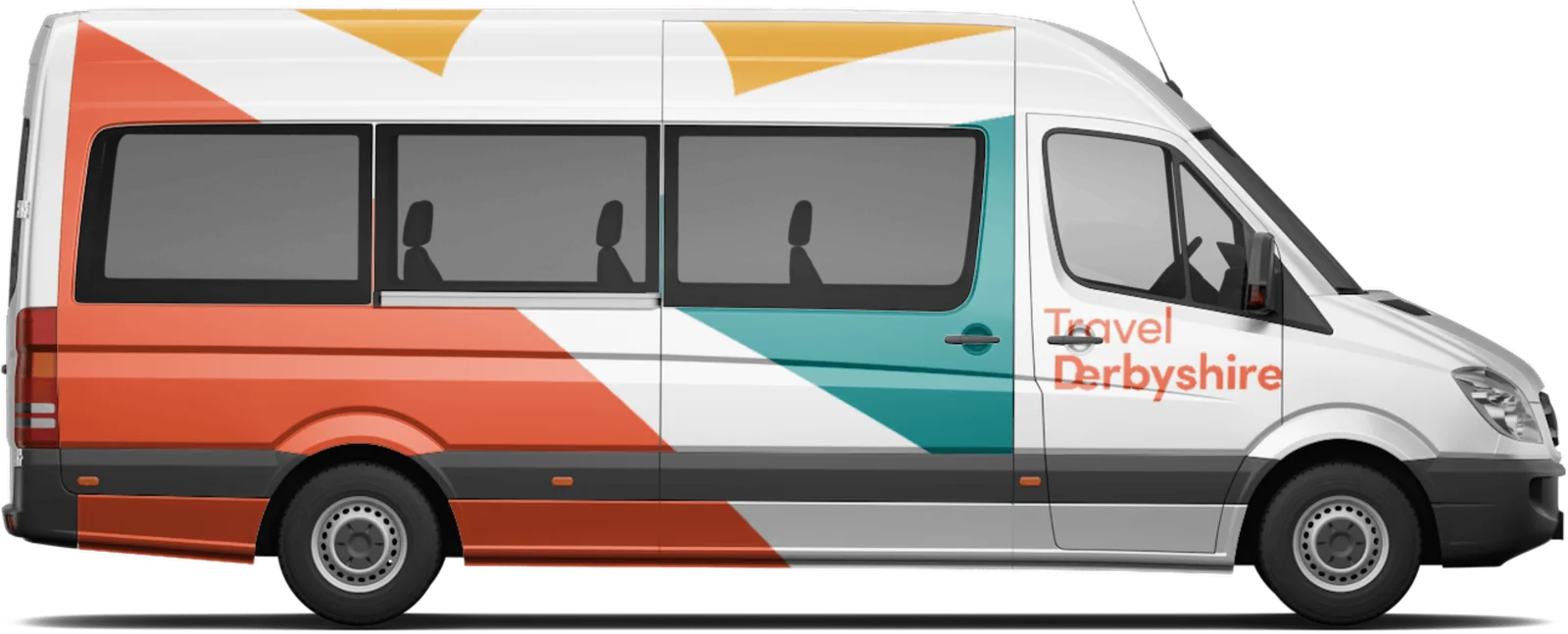
Demand responsive transport, often shortened to DRT, is a flexible service that people book in advance through an app, website or phone line. Instead of running a fixed timetable past empty stops, a minibus adjusts its route to pick up and drop off passengers where they actually need to go, blending the reach of a bus with the flexibility of a taxi.
Government has been testing the model at scale. The Rural Mobility Fund put £20 million into DRT pilots across 15 local authorities in England between April 2021 and March 2025. The final evaluation, published in December 2025, found that several schemes now operate in places that previously had no public transport at all, improving access to shops, work and health services.
Local examples show the promise. Hampshire County Council launched its Connect service in 2025, letting residents across rural Northern Test Valley pre book shared minibus trips to Andover town centre, the railway station and health services. Alongside community transport schemes and volunteer car services, DRT is quietly rebuilding connections that timetables abandoned.
How can technology help improve rural public transport?
Flexible services only work if the logistics behind them are sharp. A minibus weaving between scattered villages needs efficient routing, accurate pickup locations and scheduling that fills seats rather than running empty. This is where booking, dispatch and route optimisation software turns a good idea into a service that pays its way.
The economics reward getting it right. KPMG analysis for the Transport Committee estimated that bus passengers spend £39.1 billion a year in local businesses, and that every £1 invested in bus services returns between £4.55 and £5 in wider economic benefit. Efficient services protect those returns while stretching limited council budgets further.
Road XS builds cloud based transport software that helps community transport operators, councils and volunteer schemes run flexible services efficiently. Smart route optimisation and live vehicle tracking help providers pinpoint locations, plan door to door journeys and keep costs down, so more people in isolated places stay connected. Because without movement, we go nowhere.
Frequently asked questions
What is rural isolation?
Rural isolation is when people living in the countryside lose reliable access to transport and become cut off from work, healthcare, education, shops and social contact. It is driven mainly by the loss of bus routes, and it affects people who cannot drive most severely.
Why are rural bus services declining?
Rural routes cost more to operate and carry fewer paying passengers, so commercial operators withdraw them when they stop being profitable. Years of tight local authority budgets and a funding formula weighted towards urban areas have accelerated the decline, leaving many villages with little or no service.
Who is most affected by rural isolation?
Older people, disabled people, young people and low income households are affected most, because they are least likely to have access to a car. Around 44 per cent of the poorest households have no car, so when a bus route goes, they lose their main way of getting around.
What is being done to improve rural public transport in the UK?
The Bus Services Act 2025 gives councils new powers to protect and run services, the £3 single fare cap has been extended to March 2027, and the Rural Mobility Fund has backed demand responsive transport pilots. Together these measures aim to rebuild connectivity in underserved rural areas.
What is demand responsive transport?
Demand responsive transport is a flexible, pre booked service where a minibus adjusts its route to collect and drop off passengers where they need to go, rather than following a fixed timetable. It combines the coverage of a bus with the flexibility of a taxi and works well in low demand rural areas.
Does the £3 bus fare cap help rural areas?
The £3 single fare cap keeps longer rural journeys affordable, and can save passengers a substantial amount on routes that would otherwise charge much more. However, campaigners note that a fare cap only helps where services still run, so it needs to sit alongside investment in routes themselves.
How can technology reduce rural isolation?
Booking, scheduling and route optimisation software lets operators run flexible services efficiently, filling seats and cutting empty running so limited budgets reach further. Live tracking and accurate location tools make door to door journeys reliable, helping isolated communities stay connected to the services they depend on.