

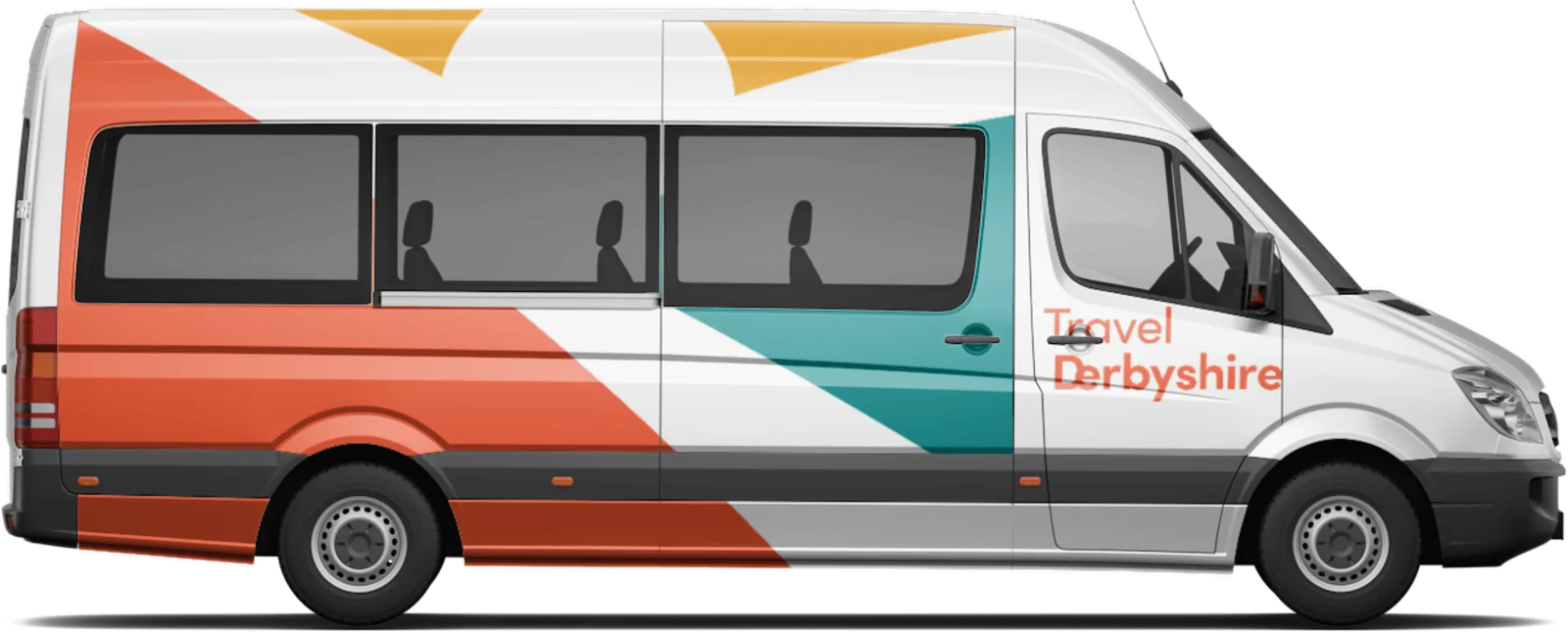



Community transport connects communities by giving people a way to travel when the usual options do not reach them, do not run often enough, or are simply too difficult to use.
Run mostly by not-for-profit groups and volunteers, it carries older people, disabled passengers and those on low incomes to medical appointments, shops, day centres and social activities, keeping them independent and part of local life.
Key takeaways
- Community transport fills the gap left by declining bus services, giving isolated and less mobile people a reliable way to get around.
- Health and social care journeys are central. Most operators run trips to hospitals, GP surgeries and day centres for people who would otherwise miss them.
- It is a practical defence against loneliness, which affects millions of older people across England.
- Most services run under Section 19 and Section 22 permits as not-for-profit social enterprises, powered by volunteer drivers.
- Good coordination and booking software help small operators serve more passengers with limited resources.
The transport gap community transport fills
Across much of the country, the local bus has quietly disappeared. The number of bus journeys taken in England outside London fell from around 4.6 billion in 2009 to 3.6 billion in 2024, a drop of more than a fifth, according to the House of Commons Transport Committee. The countryside charity CPRE has warned that 56 per cent of small towns now sit in a transport desert.
In county and rural areas the picture is starker still. The County Councils Network found that more than one in four bus services vanished between 2010 and 2022, measured by vehicle miles. When a commercial route is withdrawn, community transport is very often the only option left for people who cannot drive.
Getting people to health and social care
For many passengers, the single most important journey is to healthcare. Community transport takes people to hospital appointments, GP and dental surgeries, dialysis, day centres and pharmacies, journeys that are easy to take for granted until you have no car and no bus. The Community Transport Association reports that two-thirds of operators run trips for health purposes, yet only around one in ten receives any funding from health bodies.
This matters because a missed appointment costs the NHS and harms the patient. Where non-emergency patient transport is limited to those meeting strict medical criteria, community transport fills the space for people who are simply unable to get there alone. Research from the University of Oxford found that these schemes exist precisely to plug the gaps left by rural bus cuts and stretched patient transport.
Mobility for people who would be stranded
Community transport is built around passengers that mainstream services struggle to reach: older people, wheelchair users, people living with dementia or learning disabilities, and anyone for whom a step onto a conventional bus is a barrier. Vehicles are typically wheelchair accessible, with tail-lifts and low floors, and many services offer door-to-door or even door-through-door help from the driver.
This is where dial-a-ride, ring-and-ride and demand responsive transport come in. Rather than following a fixed timetable, they collect passengers from home at a booked time. For someone who cannot walk to a bus stop or wait in the cold, that difference decides whether they leave the house at all.
Tackling loneliness and isolation
Getting out of the house is about far more than errands. More than 2 million people over 75 in England live alone, and over a million older people go more than a month without speaking to a friend, neighbour or family member, according to the NHS. Around 3.1 million adults say they feel lonely often or always, the government's Community Life Survey found.
Loneliness is not only miserable, it is harmful. The House of Commons Library notes that its effect on early death is considered comparable to obesity or smoking. A weekly community transport trip to a lunch club or a shopping run can be the main social contact someone has all week, which is why the sector talks about carrying people, not just passengers.
Supporting local high streets and economies
When people can travel, they spend. Passengers use community transport to reach shops, markets, banks and post offices, keeping money circulating through local high streets that depend on older and less mobile customers. For rural businesses in particular, a shopper who cannot get into town is a customer lost.
The sector also creates value directly. It relies on thousands of volunteers who gain skills, purpose and connection, and it helps people reach work, training and interviews. In that sense community transport is both a social enterprise and a genuine piece of local economic infrastructure.
Safer roads and cleaner air
Shared, well-planned journeys take individual car trips off the road. A single minibus running a booked route can replace a dozen separate lifts from family, taxis or private cars, easing congestion and cutting emissions. Many operators are now moving towards electric and low-emission vehicles as grant funding allows.
Safety runs deeper than road use. Drivers are usually trained to nationally recognised standards such as MiDAS, vehicles are maintained and inspected, and passenger care and safeguarding are built into the service. For a vulnerable traveller, a familiar and checked driver who understands their needs is far safer than an unknown alternative.
How community transport works
Most community transport in the UK runs under two permits from the Transport Act 1985. Section 19 permits cover services for specific groups, such as members of a club or clients of a charity, rather than the general public. Section 22 permits cover community bus services that are open to everyone and registered as local routes. Both let not-for-profit groups carry passengers without a full public service vehicle operator licence, as the House of Commons Library explains.
The same source estimated at least 2,000 community transport organisations in England providing over 15 million passenger trips in a single year. These are typically charities and social enterprises funded through a mix of grants, local authority contracts, fares and donations, and staffed heavily by volunteer minibus drivers. The Community Transport Association reports that recruiting and keeping those volunteers is operators' biggest ongoing concern.
The role of technology
Running a reliable service on a tight budget is a logistical puzzle. Bookings, eligibility, vehicle availability, volunteer rotas and efficient routing all have to line up, often for passengers with specific needs and timed medical appointments. Managing this on paper or spreadsheets becomes unworkable as demand grows.
This is where good software earns its place. Platforms such as Road XS help operators manage bookings, plan routes, coordinate drivers and keep records in one place, freeing coordinators to focus on passengers rather than paperwork. The right tools do not replace the human warmth at the heart of community transport. They simply help more of it reach more people.
Frequently asked questions
What is community transport?
Community transport is passenger transport run by not-for-profit groups, usually charities and social enterprises, for people who cannot easily use conventional public transport. It includes dial-a-ride, community buses, voluntary car schemes and group minibus hire, and it prioritises older, disabled and isolated passengers.
Who is community transport for?
It is aimed at anyone who struggles to use mainstream buses or trains, including older people, wheelchair users, people with disabilities or health conditions, and those in rural areas with no nearby service. Eligibility varies by scheme, so it is worth checking with the local operator.
How does community transport help people reach health and social care?
Operators run journeys to hospitals, GP and dental surgeries, day centres and pharmacies for passengers who have no other way to get there. Two-thirds of operators provide health-related trips, according to the Community Transport Association, helping people attend appointments they might otherwise miss.
How can community transport improve rural transport?
In rural areas where commercial buses have been withdrawn, flexible services such as demand responsive transport and voluntary car schemes fill the gap. They collect passengers from home rather than from fixed stops, which suits scattered populations and longer distances far better than a fixed timetable.
What is the difference between Section 19 and Section 22 permits?
Section 19 permits allow transport for specific groups, such as members or clients, and cannot serve the general public. Section 22 permits cover community bus services that are open to everyone and registered as local routes. Both come from the Transport Act 1985.
How is community transport funded?
Funding usually comes from a mix of local authority contracts, grants, passenger fares, donations and fundraising. Many operators run on very tight margins and depend on volunteers, which is why sustainable funding is a constant challenge across the sector.
What software do community transport operators use?
Operators use dedicated booking and scheduling software to manage trips, routes, drivers and passenger records. Purpose-built platforms like Road XS are designed around the specific needs of community transport, rather than adapting generic taxi or logistics tools.
Connecting communities, one journey at a time
Community transport connects communities in the most practical way there is: by making sure a hospital appointment, a food shop or a visit to friends is actually possible for the people the rest of the network leaves behind. As bus services continue to thin out, its role only grows. Behind every journey is a volunteer, a coordinator and, increasingly, the technology that helps small operators do more with less.