

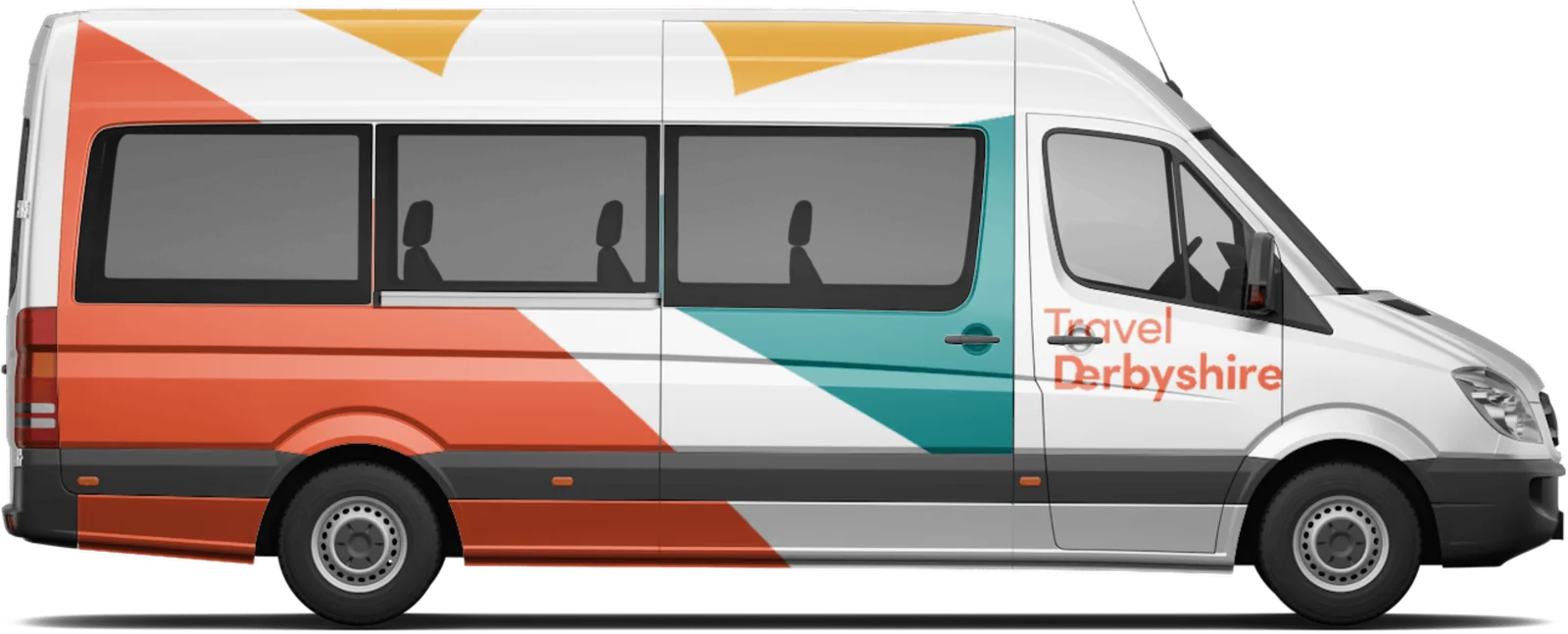




Most people never give community transport a second thought until the moment they need it. And that moment often arrives during the hardest, most isolating chapters of someone's life.
A hospital discharge with no one to drive you home. A weekly food shop that becomes impossible the day you stop driving. A hospital appointment two towns over, with no bus that goes anywhere near it.
Community transport quietly fills these gaps every single day, yet it rarely gets the recognition it deserves. It is far more than a lift from A to B. It is the thread that keeps people connected to their healthcare, their high streets, their independence and each other.
To show just how wide that impact reaches, here are 57 ways community transport makes a real and lasting difference to people's lives.
Accessibility and Convenience
- Serves rural areas: Connects isolated rural communities to the towns, services and amenities they would otherwise be cut off from.
- Affordability: Offers a genuinely cost-effective alternative for people on tight or fixed incomes.
- Specially adapted vehicles: Caters to wheelchair users and people with limited mobility who cannot use mainstream transport.
- Door-to-door service: Removes the stress of getting to and from a stop, which matters enormously for older and disabled passengers.
- Flexibility: Operates around the real needs of the community rather than a rigid timetable.
- Local connections: Makes it easy to reach nearby shops, services and businesses.
- Supports non-drivers: Provides a reliable option for the many people who don't, or can no longer, drive.
Social Inclusion
- Counteracts loneliness: Turns an ordinary journey into a chance to talk, connect and feel part of something.
- Strengthens community bonds: Fosters friendships and a sense of belonging among regular passengers.
- Enables civic participation: Helps residents get to town meetings, polling stations and community events.
Health and Wellbeing
- Medical appointments: Gets people to GP surgeries, clinics and hospital appointments on time.
- Non-emergency support: Provides a dependable alternative for non-urgent health journeys.
- Mental wellbeing: Removes the anxiety and stress that travel can cause for vulnerable passengers.
- Physical health: Opens up access to leisure centres, exercise classes and recreation.
- Carer support: Helps families visit loved ones in hospital, care homes and rehabilitation settings.
Education and Learning
- School journeys: Safely transports children to and from school.
- Adult education: Makes evening classes and vocational courses far more accessible.
- Library visits: Encourages reading and lifelong learning by getting people to local libraries.
Economic Growth
- Access to work: Enables people to reach jobs they otherwise couldn't get to.
- Supports local business: Drives footfall to high-street shops, markets and services.
- Boosts tourism: Helps visitors and residents explore local attractions.
- Skills development: Connects people to training centres and apprenticeships.
Environmental Impact
- Lower carbon footprint: Shared journeys mean fewer individual car trips and lower emissions.
- Promotes shared travel: Builds a culture of travelling together rather than alone.
- Sustainability: Increasingly delivered using cleaner, greener vehicles, including EVs.
- Reduces congestion: Fewer cars on the road eases traffic for everyone.
Safety
- Road safety: Drivers are trained, checked and experienced in carrying vulnerable passengers.
- Child safety: Secure, supervised pick-up and drop-off for younger passengers.
- Senior safety: Services tailored to ensure older passengers travel comfortably and securely.
Technology and Convenience
- Easy booking: Simple booking and payment for passengers, families and carers.
- Real-time tracking: Lets families see exactly where a vehicle is, for added peace of mind.
- Smart scheduling: Optimised routes that save time, mileage and cost.
Special Needs and Welfare
- Hospital discharges: Eases the transition from hospital back to home.
- Rehabilitation visits: Provides reliable transport to therapy and recovery appointments.
- Assisted shopping: Supports older and disabled people with their essential shopping.
- Veteran services: Dedicated support for ex-service personnel and their families.
Cultural Life
- Museums and heritage: Opens up cultural experiences to everyone.
- Places of worship: Helps people attend religious services and gatherings.
- Community events: Encourages participation in local activities and celebrations.
- Art and music: Enables attendance at galleries, concerts and performances.
Support for Vulnerable Groups
- Those fleeing harm: Offers discreet, safe transport to places of refuge.
- Young people: Provides safe, supported travel for teenagers.
- New arrivals: Helps refugees and newcomers settle and integrate into the community.
- People facing homelessness: Connects individuals with shelters and support services.
Food Security
- Food banks: Transports people to and from food distribution points.
- Community gardens: Enables involvement in local food growing and allotments.
Animal Welfare
- Pet journeys: Helps people get small pets to vet appointments.
Leisure and Recreation
- Days at the coast: Makes seaside and beach trips possible.
- Parks and nature: Connects people with green spaces and the outdoors.
- Sporting events: Gets fans and participants to local games and fixtures.
Further Benefits
- Parcel and prescription runs: Delivers medicine, food and small essentials to those who need them.
- Overcoming language barriers: Many services offer multilingual drivers and support.
- Volunteering: Gives community members a meaningful way to give back as volunteer drivers.
- Trialling new ideas: Acts as a testing ground for innovative local transport solutions.
- Emergency resilience: Provides auxiliary transport during floods, storms and other crises.
- Local knowledge: Drivers often double as informal guides, sharing helpful local information.
- Building trust: Regular, friendly contact with the same drivers builds genuine trust over time.
More than a journey
Community transport does far more than move people from one place to another. It restores independence, reduces isolation and strengthens the fabric of local life. Its reach is genuinely vast — touching almost every part of daily living, from healthcare and education to leisure, employment and simple human connection.
The next time someone asks what community transport actually does, this list is your answer.