




Electric cars have moved from novelty to mainstream on UK roads, yet the road ahead still raises plenty of questions. This guide looks at what the future of electric cars in Britain is, drawing on current government policy, sales data and battery research so you can plan with clarity rather than guesswork.
The picture matters far beyond private drivers. Councils, charities, community transport schemes, NHS teams and fleet managers all face decisions about vehicles, budgets and charging. Understanding where the market is heading helps every one of these audiences plan sensibly, avoid costly mistakes and make the switch to electric at the right pace for their service.
Key Takeaways
- Electric cars are the direction of travel, backed by law. The Zero Emission Vehicle (ZEV) Mandate sets rising annual targets, and new pure petrol and diesel cars cannot be sold from 2030.
- Adoption is climbing but sits below target. Battery electric cars reached a 30% share of the new market in June 2026, short of the 33% the mandate requires this year.
- Charging is expanding quickly. The UK passed 121,000 public chargers by mid 2026, with ultra rapid units growing fastest to support longer journeys.
- Battery technology is the next leap. Solid state cells promise longer range and faster charging, with pilot production from 2026 and wider use expected around 2030.
- Fleets and public services need a plan. Councils, community transport and NHS teams should weigh total costs, charging access and routing before committing to electric vehicles.
What is the future of electric cars?
The future of electric cars in the UK is one of steady, policy-driven growth. Government rules commit the country to phasing out new petrol and diesel cars, so electric models will keep taking market share. Alongside this, cheaper batteries, better range and a wider charging network are removing many old barriers.
That does not mean the change happens overnight. Millions of petrol and diesel cars will stay on the road well into the 2030s, and hybrids remain part of the mix. The realistic view is a gradual transition, where electric becomes the default choice for new cars while older vehicles are slowly retired from service.
For anyone planning ahead, the message is clear. The technology is maturing, the infrastructure is expanding and the policy direction is fixed. The main questions are no longer whether electric cars will dominate, but how fast the shift happens and how smoothly organisations can manage the practical side of switching their vehicles.
Are electric cars the future of UK transport?
For new cars, yes. Under current law all new cars sold in the UK must be zero emission at the tailpipe by 2035, which in practice means battery electric. Some buyers still ask, are electric cars future proof, given how quickly the technology moves. No single vehicle is, but the direction is settled.
Electric cars will not be the whole answer, though. Many experts argue that buses, trains, walking, cycling and shared transport must all grow to cut emissions and congestion. Swapping every petrol car for an electric one, without rethinking how people travel, would still leave busy roads and pressure on communities that rely on accessible services.
This wider view matters for community transport and public services. The future is likely to blend electric vehicles with demand responsive transport, dial a ride schemes and better door to door options. For a fuller look at that mix, see our guide on how transport can be sustainable in the future.
What do UK targets mean for the shift to electric?
Two rules shape the market. The first is the ban on selling new pure petrol and diesel cars from 2030. The second is the ZEV Mandate, a law that sets a rising percentage of each carmaker's sales that must be electric every year, backed by fines for firms that fall short of the target.
According to Autocar's mandate explainer, the electric share of car sales must climb steadily across the decade. The trajectory rises each year until almost every new car is electric, giving carmakers, drivers and fleets a clear timetable to plan around.
- 2026: 33% of new cars must be electric
- 2027: 38%
- 2028: 52%
- 2029: 66%
- 2030: 80%, with new petrol and diesel car sales ending
- 2035: 100%, when all new cars and vans must be zero emission
Some flexibility remains. Certain hybrids can stay on sale to 2035, small volume makers have exemptions, and the fine for missing the target has been cut to 12,000 pounds per car. A government review of the mandate is due by early 2027, so figures between 2030 and 2035 could still be adjusted.
How quickly are electric cars being adopted?
Faster than ever, yet still behind the official targets. Figures from the Society of Motor Manufacturers and Traders show battery electric cars took a 30% share of the new market in June 2026, their highest this year, with more than half of buyers choosing an electrified model of some kind.
Across the first half of 2026 the electric share sat at around a quarter of all new cars. That is real progress on 2025, but well short of the 33% the mandate demands for the year. The UK also passed two million electric cars registered in total, a notable milestone for the market.
The used market is growing strongly too, which matters for buyers on tighter budgets. Zapmap reports a record number of used electric cars changing hands in early 2026, up by almost a third year on year. There are now more than 2.1 million electric cars on UK roads, roughly 6% of all cars.
Is the charging network ready for the future?
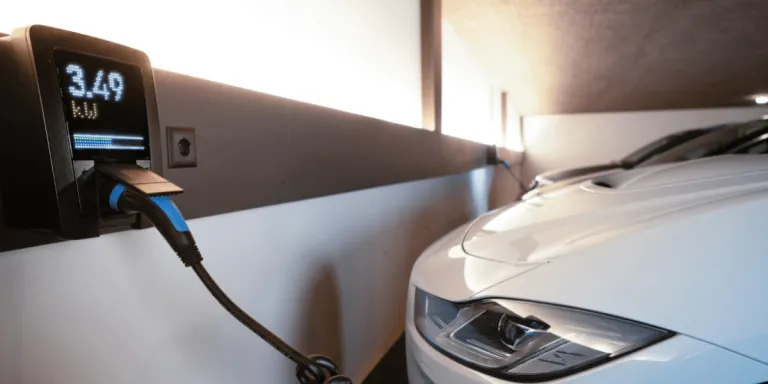
The charging network is expanding quickly, which is central to public confidence. Zapmap data shows the UK had more than 121,000 public chargers by the end of June 2026, up around 10% on the year, spread across on street, destination and en route locations to suit different journeys.
Speed is improving as well as coverage. Ultra rapid chargers, rated at 150kW and above, are the fastest growing type and now number close to 14,000. These can add substantial range in twenty to thirty minutes, making longer trips far more practical for drivers, fleets and community transport vehicles covering wide rural areas.
Challenges remain, especially on street charging for the many households without a driveway. Rollout there has been slower, and reliable public charging is vital for anyone who cannot charge at home. Our guide to EV charging explained breaks down the different charger types and what they mean in practice.
How will battery technology change electric cars?
Battery progress is the biggest driver of the future of electric cars. The headline hope is the solid state battery, which replaces the liquid inside today's cells with a solid material. In theory this delivers longer range, faster charging and better safety, and several carmakers are targeting pilot production during 2026 and 2027.
Some manufacturers claim solid state packs could eventually offer well over 600 miles of range and very rapid charging. These are bold figures, and most analysts expect gradual rollout on premium models first, with mainstream adoption closer to 2030. Range anxiety should ease steadily rather than vanish overnight as the technology matures.
The quieter story may matter more day to day. Cheaper chemistries such as lithium iron phosphate and sodium ion are cutting costs and improving durability, while smarter software manages charging and battery health. Together these make electric cars more affordable and reliable, which is what most fleets and everyday drivers actually need.
What does the future mean for transport operators?
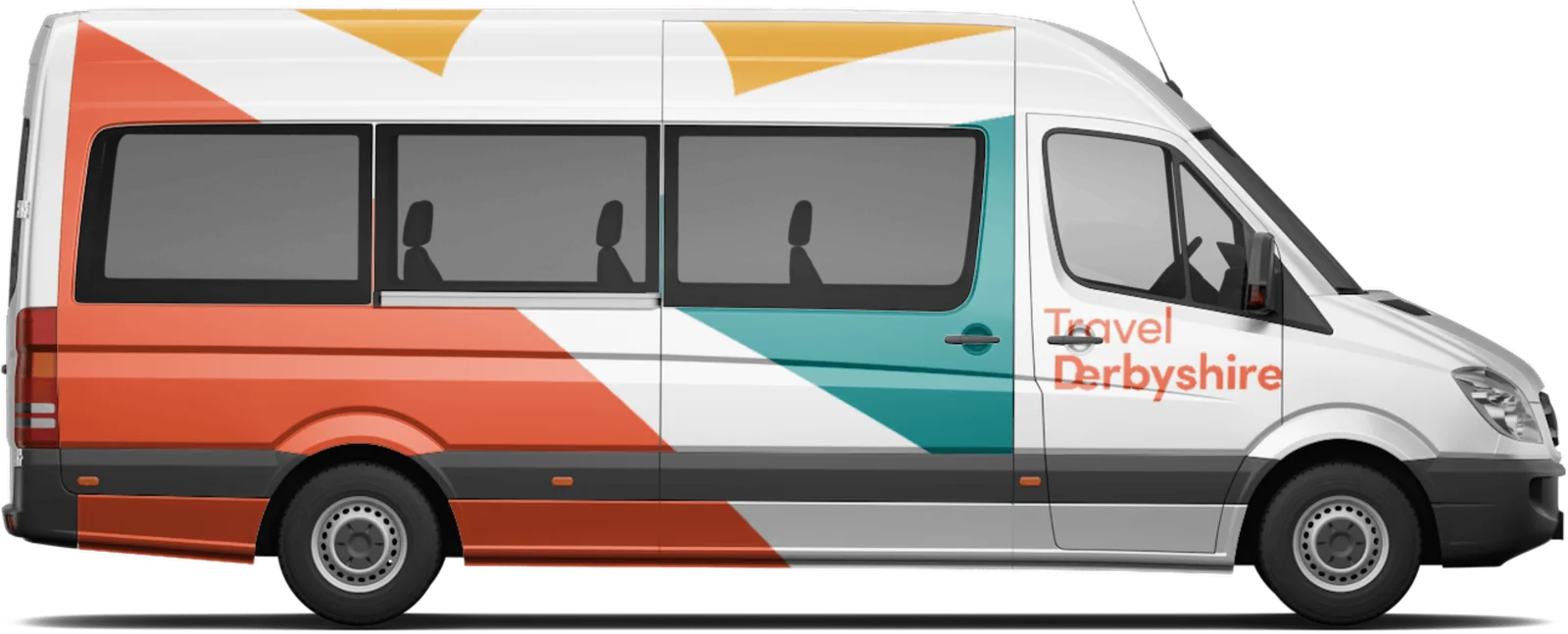
For councils, charities, NHS teams and community transport schemes, the shift to electric is both an opportunity and a planning challenge. Electric vehicles can lower running costs and emissions, support clean air goals and improve the passenger experience. The catch is that switching a fleet takes careful preparation, not just a straight swap of vehicles.
The van side is moving too, which affects many operators directly. Zapmap records more than 117,000 electric vans on UK roads, and the mandate pushes van makers towards 70% electric sales by 2030. Transport managers running minibuses, patient transport and door to door services will feel this change over the coming years.
Sensible planning covers a few key areas before any purchase:
- Total cost of ownership, not just the sticker price, including energy, maintenance and residual value over the vehicle's life.
- Charging access, whether at a depot, on street or via public networks, and how it fits daily shift patterns.
- Route and range planning, so vehicles reliably complete their runs with charge to spare, especially in rural areas.
- Grants and funding, including any government support and local schemes that reduce the upfront cost.
- Passenger needs, ensuring accessible vehicles and smooth, reliable journeys for older and disabled travellers.
This is where good software earns its keep. Modern platforms can plan routes around charging needs, track battery levels and keep services running smoothly through the transition. Road XS is built to help operators manage exactly this kind of change, whether you run community transport, patient transport or a demand responsive scheme.
What challenges could slow the shift to electric?
Several hurdles could slow the pace, even with the direction fixed in law. Upfront prices remain higher than petrol equivalents for many models, though the gap is narrowing. Public charging can still be patchy or unreliable in places, and drivers without home charging face higher costs and less convenience than those with a driveway.
Supply and policy add further uncertainty. Carmakers warn that meeting the mandate is costly, and the planned government review could change the detail of the targets. According to the RAC, sales growth has lagged behind the official trajectory despite heavy discounting and grants.
For public services, the practical barriers loom largest. Tight budgets, ageing fleets and limited depot charging make the switch harder to fund and phase. None of these problems is insurmountable, but they explain why a measured, well planned approach beats rushing. Our article on the UK electric vehicle transition explores these issues further.
Frequently asked questions
Are electric cars the future?
For new cars, yes. UK law requires all new cars to be zero emission by 2035, and new petrol and diesel cars cannot be sold from 2030. Electric will become the default new car, though petrol, diesel and hybrid models will remain on the road for years to come.
Will petrol cars be banned in the UK?
New pure petrol and diesel cars cannot be sold from 2030, and all new cars must be zero emission by 2035. You can still own, drive, buy and sell existing petrol and diesel cars after these dates. The ban applies only to sales of brand new vehicles.
How many electric cars are on UK roads?
There are now more than 2.1 million fully electric cars in the UK, around 6% of all cars on the road, according to Zapmap. That number is rising quickly as new registrations grow and a healthy used electric car market gives more buyers an affordable route into ownership.
Is the UK charging network good enough?
It is improving fast, with more than 121,000 public chargers by mid 2026 and ultra rapid units growing quickly. Coverage on major routes is strong, but on street charging for homes without a driveway lags behind. For most drivers the network is now workable, with gaps in specific areas.
Should I wait for solid state batteries before buying?
Not necessarily. Solid state batteries promise longer range and faster charging, but wide availability is expected closer to 2030, on premium models first. Today's electric cars already suit most journeys, and battery health on modern vehicles is strong. Buy for how you drive now rather than waiting indefinitely.
Are electric cars cheaper to run?
Usually, yes, though it depends on how you charge. Home charging is far cheaper than petrol per mile, and electric cars have fewer moving parts to service. Public rapid charging costs more, so drivers who rely on it save less. For fleets, total cost of ownership is the figure that matters.
What does the switch to electric mean for community transport?
It brings lower emissions and running costs, but needs careful planning around charging, range and funding. Schemes running minibuses, dial a ride or patient transport should map routes against charging access and phase the change gradually. The right software helps keep accessible, reliable services running throughout the transition.
Ready to plan your transition?
Whether you run community transport, a council fleet, patient transport or a demand responsive scheme, Road XS helps you manage vehicles, routes and passengers with confidence as you move towards electric.