



Community transport rarely makes the headlines, yet for many people it is the only way to reach a GP, a hospital clinic, the shops or a friend's front door. It is run by charities and volunteers, it carries people the mainstream network leaves behind, and it is under more pressure now than at any time in its history.
This article looks at why community transport matters, what it does for health, loneliness and rural life, and what holds it back. It is written for the people who run, fund and use it. If you are new to the subject, start with our community transport guide, which explains the services, permits and how to book.
Key Takeaways
- Community transport fills the gaps fixed buses leave. Bus mileage in England outside London is 28% lower than in 2004 to 2005 (DfT), and 32% of disabled adults live without a car.
- It is a proven tool against loneliness. In CTA pilot projects, 93% of passengers said community transport reduced their feelings of isolation or loneliness (Community Transport Association).
- It props up health and social care. 68% of operators in England carry people to health destinations, yet only 11% receive health authority funding (CTA).
- Most older and disabled person's bus passes do not cover Dial-a-Ride or Section 19 services, so passengers usually pay a modest fare.
- The sector runs on volunteers and short term grants, and 67% of operators say they lack the drivers to meet demand (CTA).

Why does community transport matter more than ever?
The gaps in the transport network are getting wider. Bus mileage in England outside London was 28% lower in the year ending March 2025 than in the year ending March 2005 (DfT annual bus statistics). Fewer buses means longer walks, longer waits and, in many villages, no service at all.
At the same time, the people who most need a lift are the least likely to have a car. The National Travel Survey 2025 found 32% of disabled adults in England lived in a household without a car, double the 16% for non-disabled adults. Many older people also give up driving as their health changes.
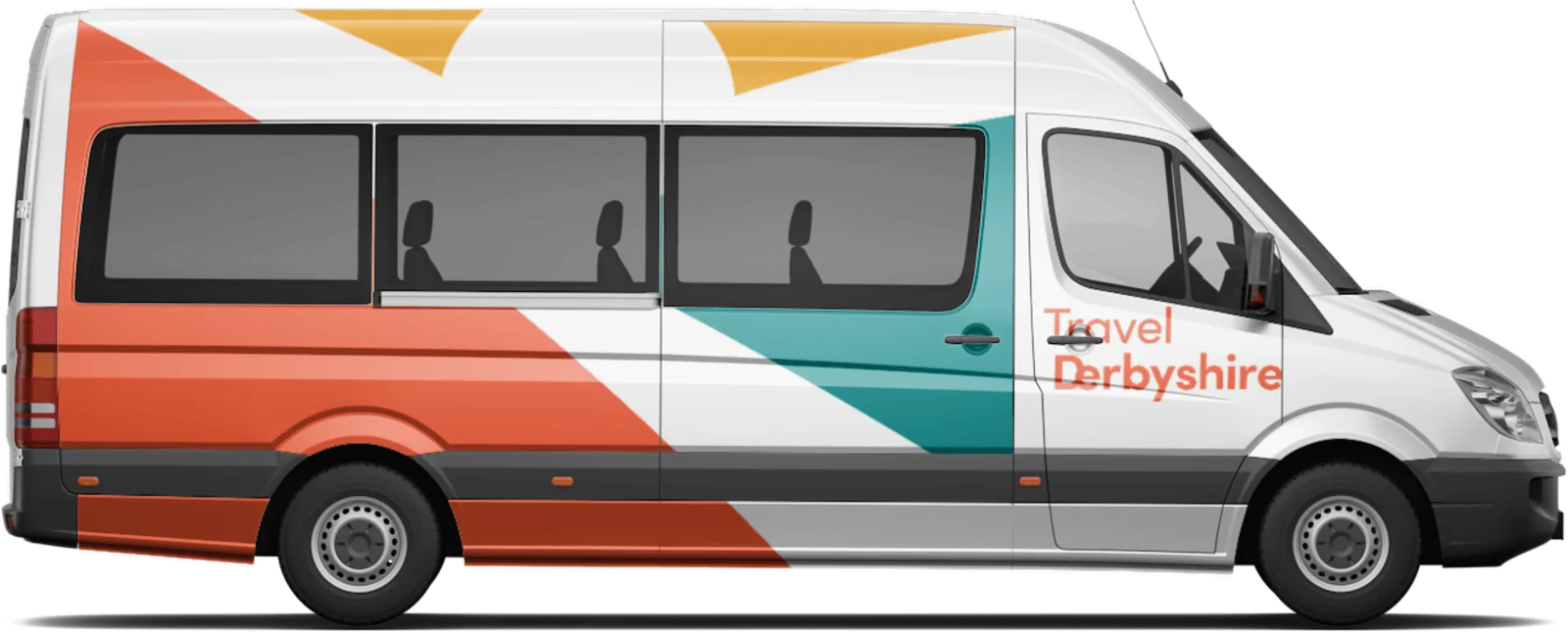
Community transport steps into those gaps. Volunteer car schemes, Dial-a-Ride minibuses and community buses carry people who cannot use a normal bus, or who have no bus to use. The COVID-19 pandemic showed the same thing, when local schemes switched overnight to delivering food and prescriptions and carrying people to vaccinations.
How does community transport tackle loneliness and isolation?
Ask a volunteer driver why the work matters and few will start with the destination. They talk about the chat on the way there. For a passenger who lives alone, the journey can be the most human contact they have all week, and a regular lift rebuilds the routines that age, illness or bereavement take away.
Loneliness is not spread evenly. The Community Life Survey 2024 to 2025 found 7% of adults in England felt lonely often or always, but the figure was 14% for disabled adults against 3% for non-disabled adults. Those are exactly the people community transport exists to serve.
The evidence that transport helps is strong. The Department for Transport gave the Community Transport Association £498,000 to fund loneliness pilot projects (CTA). Across those projects, 93% of passengers said using community transport reduced their feelings of isolation or loneliness (CTA).
Our articles on social isolation and loneliness in elderly people look at the wider causes and what councils, charities and families can do about them.
How does community transport change a passenger's life?

Statistics only go so far. Betty's story shows what a community transport service means to one person. Betty was 90 when her optician told her that her eyesight was no longer good enough for her to drive safely. It was not a surprise, but she had not realised how much her life would change.
She tried the bus into Stratford-upon-Avon for her weekly shop. At busy times it felt crowded and noisy, and it left her feeling vulnerable for the first time. The stop was a long walk from where she needed to be, and carrying her shopping and the flowers for her church display became hard and frightening.
A friend at church told her about a local community transport scheme. Betty registered, booked a lift for the following Thursday and was matched with a nearby volunteer driver whose checks were all up to date. He chatted on the way, helped carry her bags and got her home safely.
Soon Betty and her friend were booking trips together and sharing the mileage cost. She now travels more than once a week. The fare is a little more than the bus but far less than a taxi, and it takes her door to door. Most importantly, she is back in her community, just as before.
How does community transport support health and the NHS?
A clinic appointment that a patient cannot reach is treatment that does not happen. The Community Transport Association's Mapping England research found 68% of operators carry people to health destinations and 60% to social care. Yet only 29% are in contact with health services, and just 11% receive health authority funding.
Social prescribing makes that gap more pressing. NHS England describes it as connecting people "to activities, groups, and services in their community to meet the practical, social and emotional needs that affect their health and wellbeing". A referral to a walking group or befriending session only works if the person can get there.
Community transport also takes pressure off formal NHS patient transport by handling routine, non urgent trips for people who are not eligible for it. Our guides to securing NHS ICB funding and volunteer transport to hospital explain how operators and NHS teams can work together.
Why does community transport matter for rural communities?
Without a car, rural life can close in quickly. A single missed bus can mean a missed shift, a missed appointment or a week without seeing anyone. This is transport poverty, and it hits hardest where incomes are lowest and the nearest usable bus stop is miles away.
Community transport is built for that kind of place. A volunteer car scheme can reach a single farmhouse, and a demand responsive minibus can cover a wide area with a few vehicles by grouping bookings. Many operators also link villages to the nearest town, station or main bus route, so passengers can travel further on the wider network.
What is community transport worth to society?
Community transport is often treated as a cost. It is closer to an investment. A report by ECT Charity, published through the Community Transport Association, estimated that community transport could save £0.75 billion a year through its role in combating loneliness and social isolation, by reducing older people's reliance on health and social services.
That figure is an older estimate, but the logic holds. A lift that prevents a fall at a bus stop, keeps someone in work or gets a patient to a check up saves money later. Volunteer drivers deliver that value at a fraction of the cost of taxis or contracted transport.
The challenge is proving it locally. Operators that record trip purpose, unmet demand and passenger outcomes are far better placed to win contracts and grants. Our guide to community transport grant funding covers where to look and what funders expect to see.
Can you use a bus pass on community transport?
Usually not. In England, older people can get a free bus pass at State Pension age, while in London, Wales, Scotland and Northern Ireland free travel starts at 60 (GOV.UK). The pass covers eligible local bus services, and councils such as Hertfordshire list community transport and Dial-a-Ride among the exceptions (Intalink).
Some community bus routes run under Section 22 permits as registered local buses, and many of those do accept passes. Always check with the operator first. Our article is community transport free? explains the usual fares and membership models, so passengers and carers know what to expect.
Accessibility goes beyond fares. Research for the Motability Foundation in 2021 described community transport as "designed for disability", offering safe, reliable and door to door travel that is far more affordable than a taxi. It also found the biggest barrier for non users was simply not knowing the service existed.
Who keeps community transport running?
Volunteers are the engine of the sector. The Community Transport Association estimates nearly 16,000 volunteers support its members in England (CTA). They give their time freely, claim only expenses and offer a personal service no commercial operator can match. Behind them, small teams handle bookings, safeguarding, permits and compliance.
Keeping enough drivers is the hardest part. In the same research, 67% of operators said they did not have enough volunteers to meet demand, and 37% saw recruitment fall in the past year. Our guides on growing your volunteer drivers and the impact of volunteer drivers share practical ideas.
What is holding community transport back?
The biggest problem is that too few people know community transport exists until they need it. That low profile shapes everything else. Schemes miss out on volunteers, passengers and funding, and when budgets tighten, services that are poorly understood are often the first to be cut.
The CTA research shows how this plays out:
- Funding is short term. 77% of operators rely on grant income, and reapplying takes up scarce staff time.
- Operators lack a voice. Half disagreed that they were part of local transport decision making.
- Technology is dated. Only 37% use journey planning software, 22% take bookings online and 2% use an app.
- Driver licences are changing. The number of volunteers with older D1 minibus entitlement is expected to fall by a fifth within five years.
There is some hope in policy. The Bus Services Act 2025 lets councils identify socially necessary local services and protect them from sudden cuts. Community transport often fills exactly those gaps, and operators that can show their data are best placed to be part of those plans.
What community transport means for each role
Community transport touches many people, from the councillor setting a budget to the passenger waiting at the window. Here is what matters most to each group.
Councils and central government
Treat community transport as part of the network, not an add on. Invite operators into Local Transport Plans and bus service reviews, and offer multi year grants where you can. Stable funding lets schemes recruit, plan and invest in vehicles rather than spending months each year chasing their next grant.
NHS transport teams and public sector buyers
Many of your patients already travel with community transport, often without any health funding behind it. Ask local operators how many health journeys they carry. Paying for outpatient, dialysis or discharge trips can cut missed appointments and free formal patient transport for people who need it most.
Charity CEOs, trustees and coordinators
Record why people travel, not just where. Trip purpose, unmet requests and passenger outcomes are the numbers funders ask for. Trustees are responsible for permits, safeguarding and data protection, so board reports should show driver checks and permit dates clearly.
Drivers and volunteers
You are often the only person a passenger sees that day. Know your scheme's safeguarding process, report any concerns to your coordinator and keep your licence, insurance and MOT details up to date. Tell your coordinator if a passenger's needs have changed, so the next driver arrives prepared.
Passengers, carers and families
Register with your local scheme before you need it, rather than on the day of an appointment. Ask about fares, carer travel and whether regular trips can use the same driver. If you are not sure where to start, our community transport guide explains how to find a service near you.
Where Road XS fits
Road XS is community transport software built in the UK for community car schemes, Dial-a-Ride and demand responsive services. It finds the nearest available volunteer driver with up to date checks, keeps passenger needs on record and produces the journey and trip purpose reports funders ask for.
That matters for the challenges above. Matching nearby drivers cuts mileage and cost for passengers like Betty. Clear reporting helps operators prove their value to councils and the NHS. Less time on spreadsheets and phone calls means coordinators can spend more time with the passengers and volunteers who keep the service going.
Frequently asked questions
Why does community transport matter?
Community transport gives older, disabled and rural people a way to reach health appointments, shops, work and friends when mainstream buses are not an option. It reduces loneliness, supports independence and takes pressure off health and social care. For many passengers, it is the only transport they can use.
How does community transport reduce loneliness?
It gets people out of the house and gives them regular contact with drivers and other passengers. In Community Transport Association pilot projects funded by the Department for Transport, 93% of passengers said using community transport reduced their feelings of isolation or loneliness.
How much does community transport save health and social care?
A report by ECT Charity estimated community transport could save £0.75 billion a year by reducing older people's reliance on health and social services. It is an estimate, but every lift that keeps someone independent, active or at an appointment saves money later.
Can I use my bus pass on community transport?
Usually not. Older and disabled person's bus passes cover eligible local bus services, and most councils exclude Dial-a-Ride and other community transport. Some community bus routes run as registered local buses and do accept passes, so check with the operator before you travel.
How does community transport support social prescribing?
Social prescribing connects people to groups and activities that support their health and wellbeing. A referral only works if the person can get there, so community transport often provides the lift that turns a prescription into a real visit, especially for older and disabled people.
Why is community transport struggling?
Most operators rely on short term grants and volunteer drivers. The Community Transport Association found 67% of operators in England lack enough volunteers to meet demand, and only 11% receive health authority funding despite most carrying people to health appointments.
How can I support my local community transport scheme?
Volunteer as a driver, escort or office helper, donate, or tell older and disabled neighbours the service exists. Councils and NHS teams can help most by offering longer term funding and involving operators in local transport planning.
Run a community transport service and want to spend less time on admin and more time with passengers? Book a Road XS demo or talk to our team.