

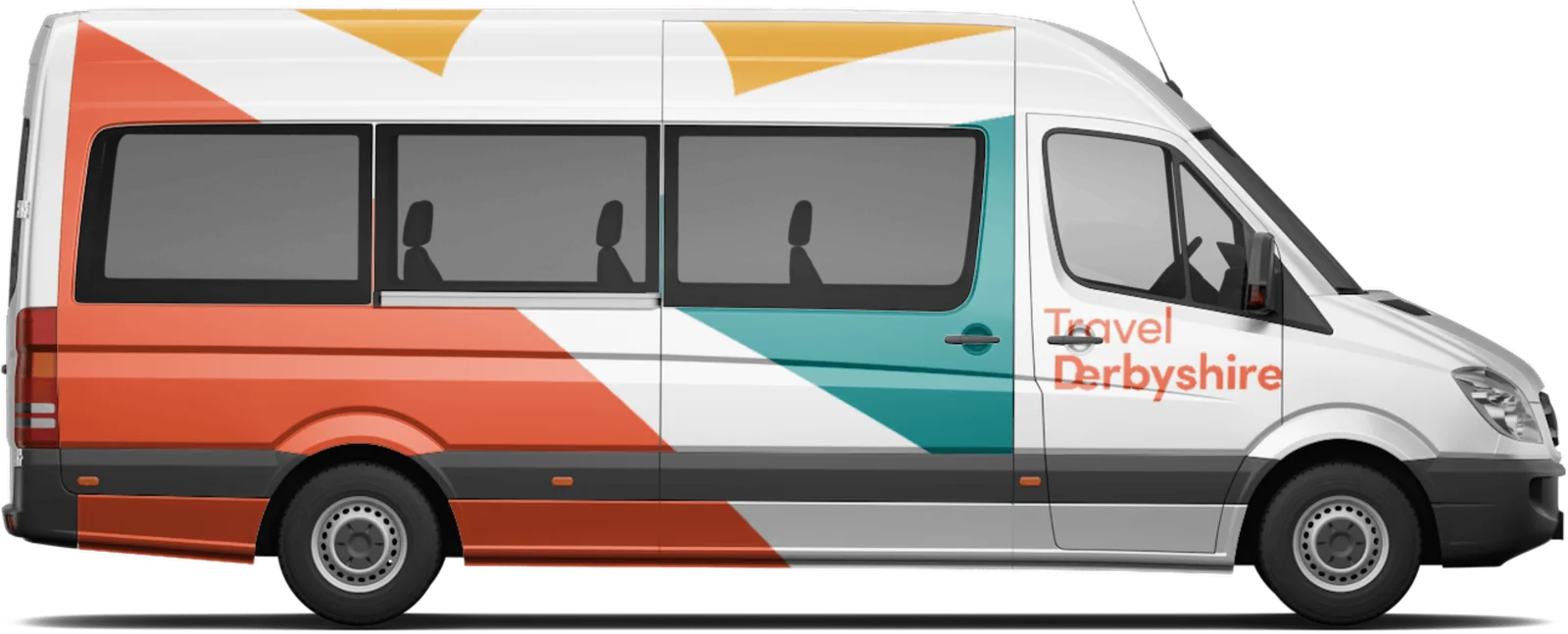




In towns and villages across the country, the rhythmic arrival of a bus is a familiar part of the daily landscape. We often see it as a simple mode of transport, a way to get from one point to another or to support outings.
But for many, the local bus community service represents something far more profound. It is not merely a vehicle traversing a set route; it is a vital lifeline, a mobile hub of social interaction, and the connective tissue that holds a community together, morning, afternoon or evening.
This service is an indispensable pillar, ensuring that mobility, opportunity, and human connection are accessible to everyone, regardless of age, income, or physical ability.
Unpacking the "Community Bus" Concept
A community bus service is fundamentally different from a standard public transport system. It is designed and operated with the specific needs of a local population in mind, which operates weekdays, weekends, or both to meet demand.
Often run by non-profit organisations, charities, or local authorities, these services exist to fill the gaps left by commercial operators, either with or without an enquiry.
They may serve rural areas with infrequent connections, provide door-to-door transport for those with mobility challenges, or offer specialised routes to essential locations like hospitals, garden centres and supermarkets.
Their primary mission is not profit, but service, ensuring every member of the community has the freedom to jump on board, travel and participate in local life.
Connecting More Than Just Destinations: The Social Fabric of Local Life
The true value of a community bus extends far beyond its functional role as a means of transport. Each trip weaves a complex social tapestry, strengthening bonds and building a sense of collective identity. It is a shared space where paths cross, conversations begin, and isolation recedes.
Reducing Isolation and Fostering Belonging
For many, particularly older adults or those living alone, the daily or weekly bus trip can be a primary source of social contact. The predictable timetable creates a routine, and the journey itself offers a chance for face-to-face interaction that is increasingly rare in a digital world
A DRT-related service, or dial-a-ride "queries" based journey request model, also offers greater convenience with guidance on where to meet the bus.
The simple act of greeting the driver, chatting with a fellow passenger, or sharing a smile can combat the pervasive effects of loneliness. This regular, reliable service transforms a simple journey into an opportunity for connection, reminding individuals that they are part of a larger, caring community.
Bridging Generations and Building Relationships
On a community bus, passengers are not anonymous commuters. They are neighbours. Students travelling to college share a ride with seniors heading to a social club; new parents with young children sit alongside individuals going to work.
This shared environment naturally breaks down social barriers and bridges generational divides. Friendships are forged in these shared journeys, local news is exchanged, and a deeper understanding between different demographic groups is cultivated.
The bus becomes a microcosm of the community itself, diverse, interconnected, and mutually supportive.
Supporting Vulnerable Members of Society
Community transport is often a lifeline for the most vulnerable. For individuals with disabilities, accessible vehicles and helpful drivers provide a level of independence that might otherwise be impossible.
For low-income families, affordable fares make essential travel feasible without financial strain. This dedicated service ensures that access to healthcare, social services, and community activities is not a privilege reserved for those with a car or the means for private transport.
Having a local bus community offers a powerful tool for social equity, ensuring no one is left behind. Be it a telephone call away or a simple app booking, it can all take just a few minutes -and be life-changing for many.
A Gateway to Opportunity and Independence
By providing reliable and accessible transport, a community bus service unlocks a world of opportunities. It empowers residents to live fuller, more independent lives by connecting them to the essential resources and enriching experiences that define a vibrant community.
They often offer options of a closest pick-up point or home pick-up with an estimated arrival time (using transport software such as Road XS), which is more convenient than traditional public transport.
Access to Essential Services and Amenities
The ability to perform fundamental daily tasks is something many take for granted. A community bus route ensures residents can easily reach grocery stores to buy fresh food, visit the bank or post office, and attend appointments.
This access is critical for maintaining health, well-being, and personal autonomy. The service transforms what could be a logistical nightmare into a manageable part of a person's week, thereby directly improving their quality of life.
Enabling Work, Education, and Healthcare Journeys
A reliable bus service is a direct enabler of economic and personal growth. It provides a crucial link for people travelling to work or seeking employment, removing transport as a barrier to earning a livelihood. It allows students to attend schools and colleges, furthering their education and future prospects.
Critically, it guarantees that residents can make vital healthcare journeys, from routine check-ups to specialist appointments, without depending on the availability of family or the high cost of taxis.
Facilitating Leisure and Social Enrichment
Life is more than just essential errands. A community bus facilitates access to the activities that bring joy and enrichment. Whether it's a trip to the local library, a visit to a park, attendance at a community centre event, or simply meeting friends for coffee, the bus makes it possible.
These journeys are fundamental to mental health and social well-being, allowing people to pursue hobbies, engage in cultural activities, and maintain the social connections that are crucial for a happy life.
How Community Bus Services Operate: Designed for People
The operational model of a community bus service is built around a single principle: meeting the needs of its users. This focus on people over profit results in flexible, accessible, and user-friendly transport solutions tailored to the local landscape.
Diverse Service Models: Scheduled Routes vs. On-Demand Flexibility
Community transport comes in many forms. Some services operate on a fixed route with a clear timetable, providing predictable travel between key points in the community on specific days. This model is ideal for regular, high-demand journeys.
Others offer more flexible, on-demand options, where passengers can book a trip in advance via phone or email. This "dial-a-ride" model is particularly effective for providing door-to-door service for individuals with mobility issues or for connecting more remote, less-populated areas.
Making Journeys Easy: Booking, Fares, and Accessibility
Simplicity is key. Booking a trip is often as easy as making a phone call or sending an email, with friendly staff available to help manage the details.
Fares are typically kept low and affordable, with various concessionary schemes available to ensure cost is not a barrier.
The buses themselves are frequently designed with accessibility in mind, featuring low floors, ramps or lifts for wheelchair users, and ample space for walkers or pushchairs, ensuring every journey is safe and comfortable.
Understanding Your Local Timetable and Routes
To make the most of the service, understanding the schedule is essential. Timetables are usually available online, at local community hubs, or directly from the service operator.
These documents provide crucial details on operating days and times, as well as specific pick-up points. It's always wise to check a route map to visualise the journey and to be aware of any service changes, especially around public holidays when schedules may differ. A quick phone call can often clarify any questions about a particular trip.
The Heartbeat of the Service: Drivers and Wonderful Volunteers
While the bus is the vehicle, the people who operate it are its true engine. The drivers and support staff, many of whom are dedicated volunteers, are the friendly face of the service and are central to its success.
The Dedication of Volunteer Drivers and the Operational Team
Many community bus services would simply not exist without the incredible dedication of volunteers. These individuals give their time freely, month after month, driven by a powerful sense of civic duty and a desire to help their neighbours.
From the drivers who navigate the routes to the coordinators who answer the phone and manage bookings, this volunteer workforce is the backbone of the entire operation, embodying the very essence of community spirit.
Building Trust and Providing a Friendly Face
Community bus drivers are more than just operators; they are familiar faces, trusted helpers, and informal ambassadors for the service. They know their passengers by name, offer a steadying hand, and ensure everyone feels safe and welcome.
This personal touch builds a profound sense of trust and security, transforming the travel experience from a transaction into a warm, supportive interaction. For many passengers, the friendly greeting from their driver is an important part of their day.
The Economic and Social Value of Volunteerism
The contributions of these volunteers are immense. Economically, their donated time keeps operating costs down, ensuring the service remains affordable and sustainable. Socially, their commitment fosters a culture of reciprocity and care within the community.
Volunteerism strengthens social cohesion, demonstrates collective responsibility for the well-being of all residents, and inspires others to contribute in their own way.
The Wider Impact: Strengthening Local Ecosystems and a Sense of Place
The benefits of a community bus service ripple outwards, positively impacting the local economy, the environment, and the very identity of the community it serves.
Supporting Local Businesses and Economies
When residents can easily travel to their local town centre, they are more likely to shop at local businesses, use local services, and participate in the local economy.
The bus service directly fuels this activity by bringing customers to the doorstep of independent shops, cafes, and markets. This helps create a more vibrant and resilient local economy where small businesses can thrive, preserving the unique character of the high street.
Environmental Benefits of Collective Transport
Encouraging the use of a community bus has clear environmental advantages. Every journey taken on the bus represents a potential car trip avoided.
This collective approach to transport reduces the total number of vehicles on the road, leading to less traffic congestion, lower carbon emissions, and improved air quality for everyone. It is a simple yet effective way for a community to reduce its collective environmental footprint.
Enhancing a Sense of Place and Local Identity
A local bus service, with its distinct routes and familiar vehicles, becomes part of a community's identity. It connects neighbourhoods, landmarks, and public spaces, creating a shared map of local life.
The shared experience of travelling together reinforces a sense of belonging and a collective "sense of place." It is a visible, moving symbol of a community that is connected, mobile, and committed to looking after its own.
Navigating Challenges and Looking Ahead
Despite their immense value, community bus services face ongoing challenges. Ensuring their long-term sustainability requires proactive effort, adaptation, and unwavering support from the community they serve.
Sustaining Services in Changing Landscapes
Financial viability is a constant concern. These services often rely on a fragile mix of grants, local authority funding, modest fares, and charitable donations.
Rising fuel and maintenance costs, coupled with increasing demand, put constant pressure on tight budgets. Securing a stable funding model is essential for guaranteeing the long-term future of this vital transport.
Adapting to Community Needs and Innovation
A community's needs are not static. Populations age, new housing developments appear, and travel patterns shift. Successful services must be nimble, regularly reviewing their routes and timetables to ensure they remain relevant.
Embracing innovation, such as digital booking apps or more fuel-efficient vehicles, will be crucial for improving efficiency and meeting the expectations of a new generation of users.
How You Can Support Your Local Bus Community
The future of these services depends on community engagement. The simplest way to help is to use the service; every fare paid helps keep it going.
For those with time, volunteering as a driver or administrator can make a direct and meaningful impact. Spreading the word to neighbours, promoting the service on social media, or supporting fundraising efforts are all powerful ways to ensure this essential community asset continues to thrive for years to come.
Conclusion: The Indispensable Threads of Connection
In the end, the role of a local bus community is about much more than mobility. It is about connection, opportunity, and dignity. It is a testament to what a community can achieve when it works together to support all its members.
The community bus is not a luxury; it is an essential social infrastructure. It combats loneliness, enables independence, promotes equity, and strengthens the local economy. It is a service that delivers far more than passengers-it delivers well-being, social cohesion, and a profound sense of belonging.
As we move forward, it is crucial that we recognise, value, and actively support these remarkable services. By taking journeys, volunteering, and advocating for our local community bus, we invest in a more connected, compassionate, and resilient future for everyone. It is an investment in the threads that bind us together, one journey at a time.
This is why, at Road XS, we continue to develop the technologies communities need to keep bus community services operational and active.